
The financial sector faces constant cyber threats. From phishing attacks to stolen credentials, cybercriminals are finding new ways to access sensitive customer and business data. As these threats continue to grow, many organizations are moving beyond traditional security methods and adopting phishing-resistant authentication to better protect their systems.
This modern approach to identity verification is helping banks, credit unions, and financial institutions improve security while making access easier for employees and customers.
What Is Phishing-Resistant Authentication?
Phishing-resistant authentication is a security method designed to stop attackers from gaining access through stolen passwords, fake login pages, or social engineering tactics. Unlike traditional authentication systems, it verifies the identity of the actual user through stronger authentication factors, such as biometrics and identity-bound credentials.
Because these credentials cannot be easily shared, copied, or intercepted, organizations can significantly reduce the risk of account compromise.
For businesses exploring advanced cybersecurity strategies, phishing-resistant authentication works well alongside passwordless security and zero-trust frameworks.
Why Traditional MFA Is No Longer Enough
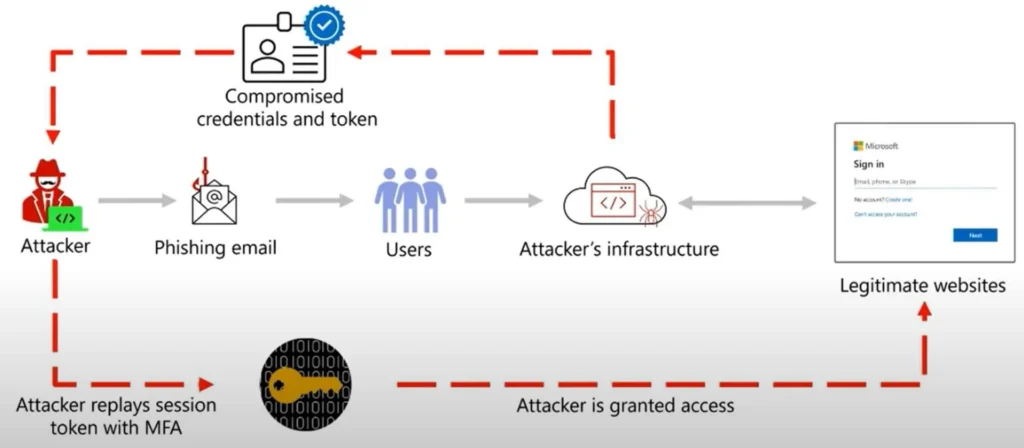
For years, multi-factor authentication (MFA) has been considered a reliable security layer. However, cybercriminals have become more sophisticated. Attackers now use techniques such as MFA fatigue attacks and SMS interception to bypass traditional security controls.
Financial institutions are recognizing that stronger protection is needed to defend against these evolving threats.
Traditional MFA vs Phishing-Resistant Authentication
| Feature | Traditional MFA | Phishing-Resistant Authentication |
|---|---|---|
| Password Dependency | High | Minimal |
| SMS Verification | Common | Not Required |
| Biometric Security | Limited | Strong |
| Protection Against Phishing | Moderate | High |
| User Convenience | Moderate | High |
| Credential Theft Risk | Higher | Lower |
The comparison shows why many financial organizations are investing in more advanced authentication technologies.
Benefits for Financial Institutions
The adoption of phishing-resistant authentication provides several important advantages.
Stronger Security
By verifying the actual person behind every login attempt, organizations can prevent unauthorized access and reduce the impact of credential theft.
Better User Experience
Employees and customers no longer need to remember complex passwords or deal with frequent password reset requests. This creates a smoother login experience while maintaining high security standards.
Reduced IT Workload
Help desk teams often spend significant time handling password-related issues. Passwordless and biometric authentication solutions can reduce these requests and improve operational efficiency.
Regulatory Compliance Support
Financial institutions operate under strict security and compliance requirements. Strong authentication methods help organizations meet these standards while protecting sensitive information.
The Growing Shift Toward Passwordless Security

Many experts believe the future of financial security will be built around passwordless authentication. Instead of relying on passwords that can be stolen or guessed, organizations are adopting biometric verification and identity-based access controls.
This shift not only improves security but also aligns with modern cybersecurity practices that focus on protecting identities rather than simply securing passwords.
Conclusion
Phishing-resistant authentication is quickly becoming an essential part of financial security. As phishing attacks and credential-based threats continue to evolve, traditional authentication methods may no longer provide enough protection.
By combining biometric verification, passwordless access, and identity-focused security controls, financial institutions can strengthen defenses, improve user experiences, and reduce operational risks. Organizations that invest in phishing-resistant authentication today will be better prepared to face tomorrow’s cybersecurity challenges.