
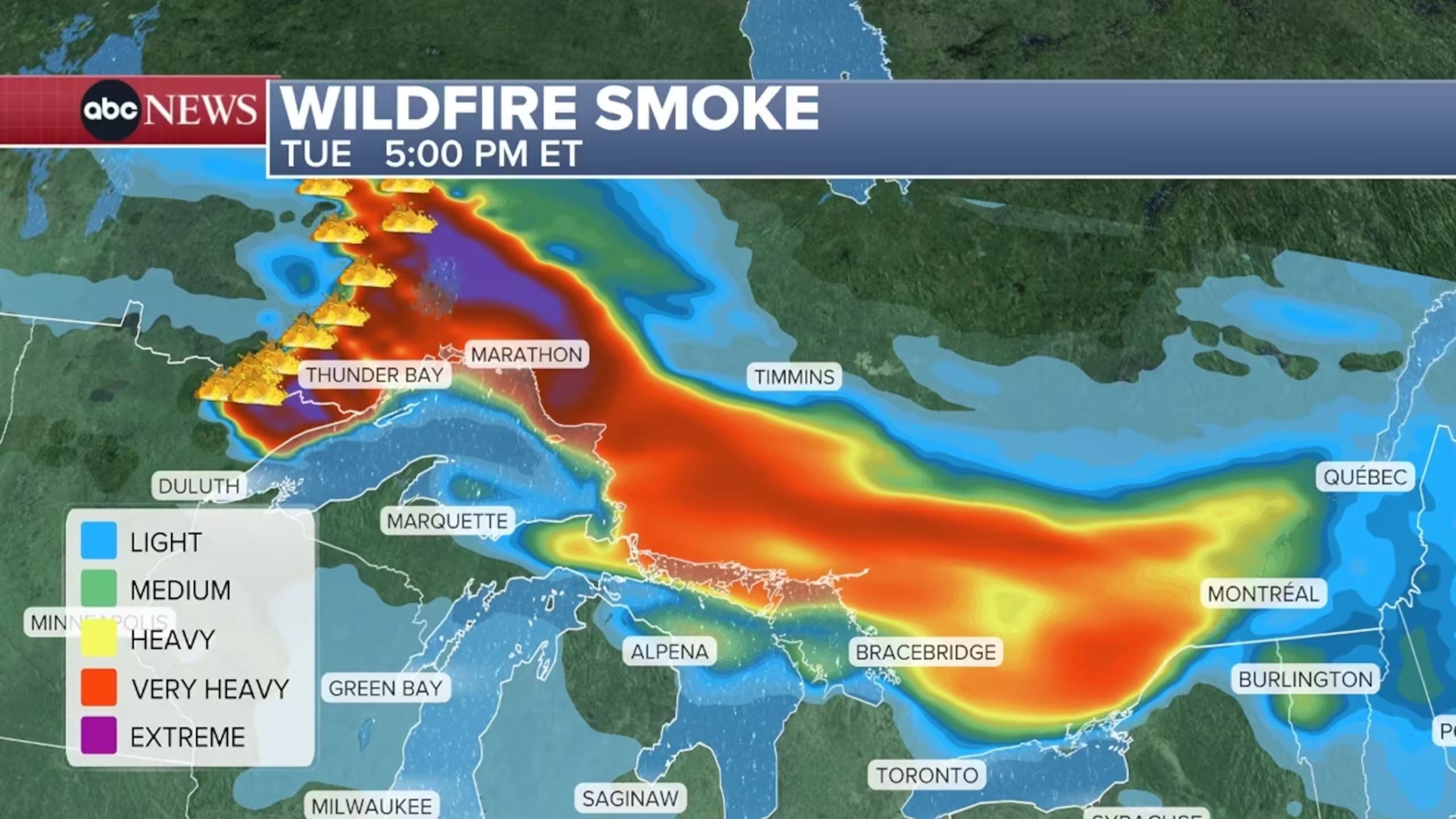
Wildfire smoke has become a major concern across the Midwest and Northeast. Smoke from more than 100 wildfires burning in Canada has crossed the border, causing poor air quality in several U.S. states. Strong winds continue to push the smoke over large cities and towns, making it difficult for millions of people to breathe clean air.
Health officials are asking people to stay alert and take simple steps to protect themselves. If you live in an affected area, understanding the risks of wildfire smoke can help you stay safe.
Why Is Wildfire Smoke Affecting So Many Areas?
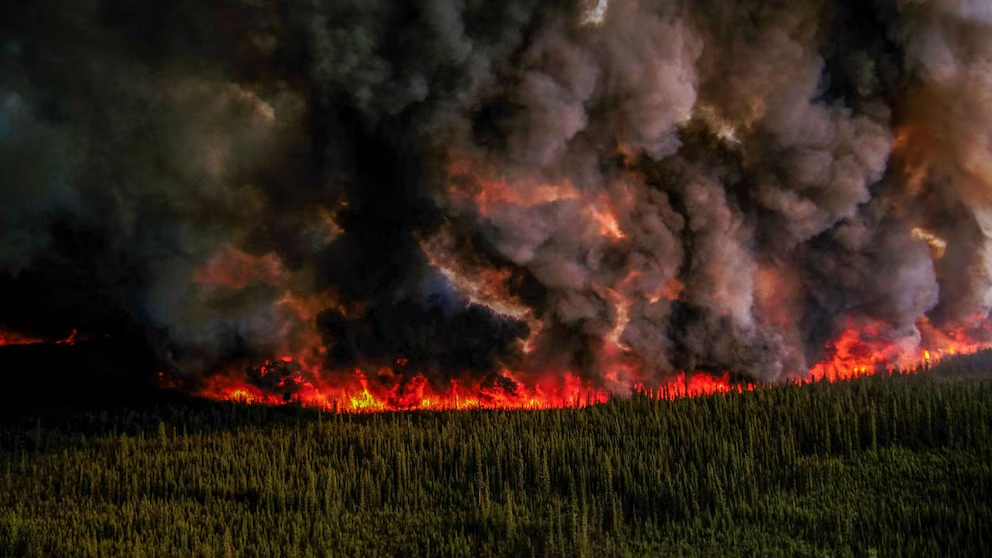
The main reason is a combination of large wildfires, dry weather, and changing wind patterns. Canada is experiencing one of its busiest wildfire seasons, and the smoke is traveling hundreds of miles into the United States.
States like Minnesota, Wisconsin, Michigan, and New York are seeing unhealthy air quality levels. Hot summer temperatures are making the situation even more difficult because heat and smoke together can increase health risks.
If you want to learn more about seasonal weather events, you can also read our guide on climate change and extreme weather.
Health Effects of Wildfire Smoke
Wildfire smoke contains tiny particles that can enter deep into the lungs. Even healthy people may notice discomfort after spending time outdoors. However, children, older adults, pregnant women, and people with asthma or heart disease face a higher risk.
Common symptoms include coughing, sore throat, burning eyes, tiredness, and shortness of breath. People with existing health conditions may experience more serious breathing problems.
| Healthy Air | Air Affected by Wildfire Smoke |
|---|---|
| Easy breathing | Breathing may become difficult |
| Clear visibility | Smoky or hazy skies |
| Safe outdoor activities | Outdoor activities should be limited |
| Lower health risk | Higher risk for sensitive groups |
How to Protect Yourself from Wildfire Smoke
Simple precautions can make a big difference during smoky conditions.
- Stay indoors whenever possible.
- Keep doors and windows closed.
- Use an air purifier or air conditioner if available.
- Wear a properly fitted N95 mask if you must go outside.
- Avoid outdoor exercise until air quality improves.
- Drink enough water and monitor any breathing problems.
Checking local air quality updates each day can also help you plan your activities safely.
Wildfires Are Still Burning
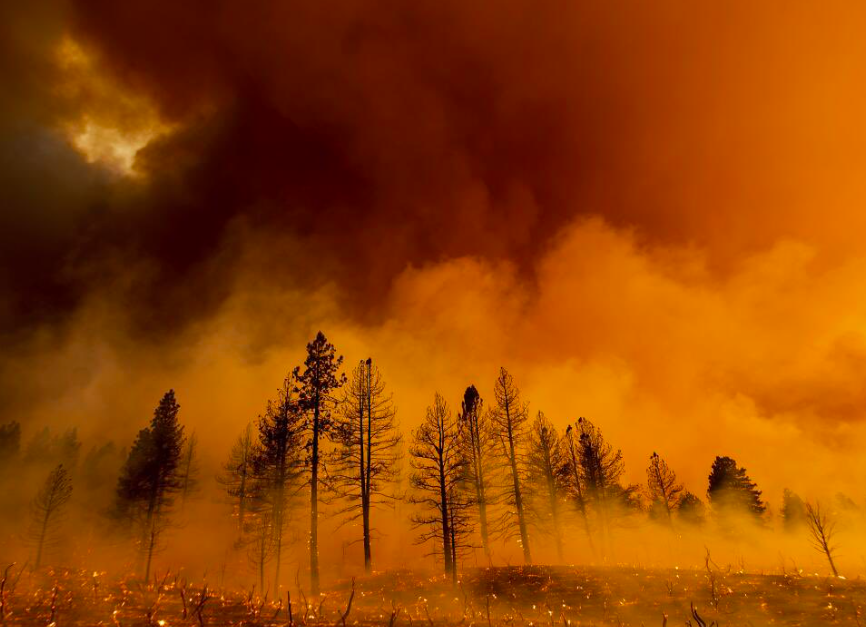
Firefighters continue to battle wildfires across Canada and several U.S. states. Dry weather and high temperatures are making it harder to control these fires. In some areas, people have been asked to evacuate while emergency teams work to protect homes and forests.
Experts believe wildfire activity could continue throughout the summer unless weather conditions improve.
Final Thoughts
The spread of wildfire smoke across the Midwest and Northeast shows how wildfires can affect people living far from the actual flames. Poor air quality can impact daily life and create serious health concerns, especially for vulnerable groups. Staying indoors, using clean indoor air, and following local safety advice are the best ways to reduce your exposure. As wildfire season continues, staying informed and prepared will help keep you and your family safe.