
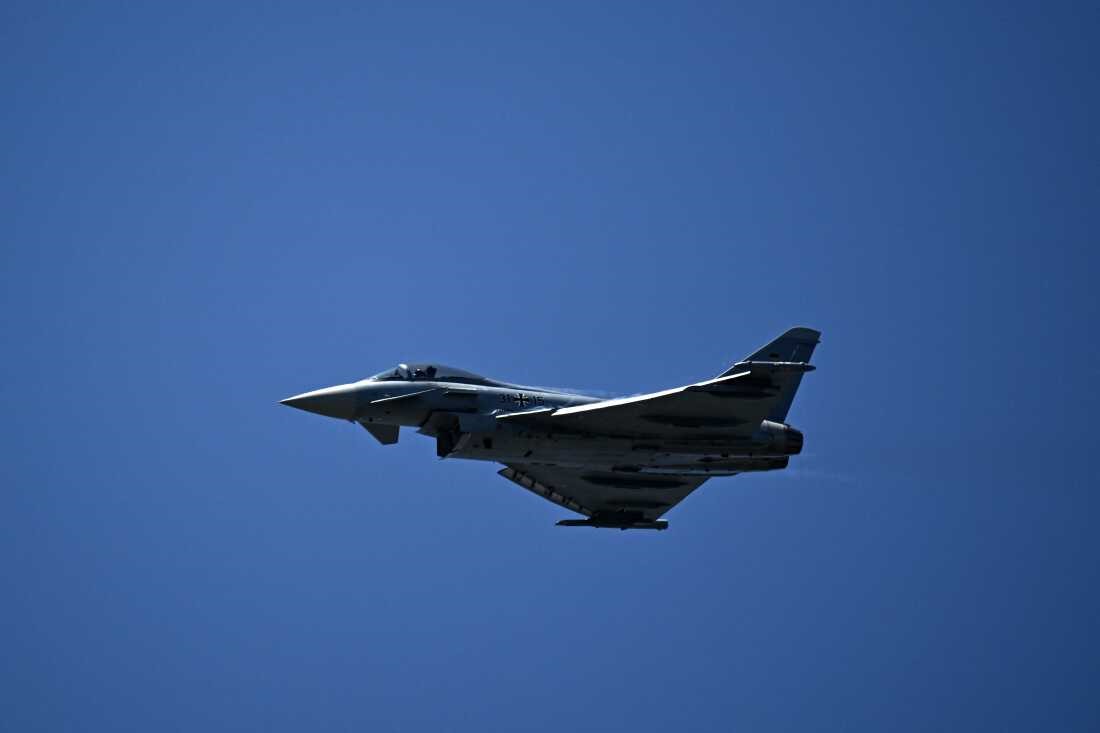
NATO intercepting Russian jets over the Baltic Sea has once again brought attention to rising military tension in Europe. This recent event shows how active and sensitive the region has become, especially when it comes to airspace security.
What Happened During the Incident?
NATO fighter jets were quickly deployed after Russian military aircraft were spotted flying over the Baltic Sea. The response included advanced fighter jets from multiple NATO countries. Their main goal was to identify and monitor the Russian planes to ensure they were not entering restricted airspace.
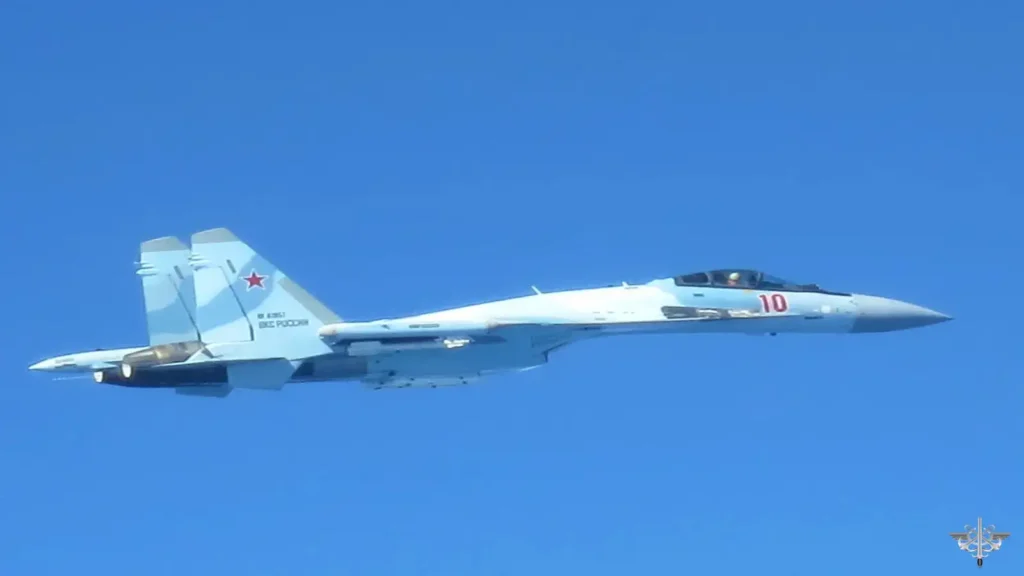
The Russian aircraft involved included strategic bombers and escort fighter jets. These planes were flying over international waters, which is allowed under global aviation rules. However, NATO still considered it important to keep a close watch on the situation.
Why NATO Intercepts Russian Jets
NATO intercepts Russian jets mainly for safety and security reasons. Many of these flights are carried out without proper communication. In some cases, the aircraft do not use transponders or share flight plans. This creates risks, especially in busy air routes.
To avoid any confusion or danger, NATO sends its jets to visually identify the aircraft. This process helps maintain order in the skies and ensures that no airspace rules are being violated.
NATO vs Russian Air Activity
| Factor | NATO Operations | Russian Flights |
|---|---|---|
| Main Purpose | Airspace monitoring | Military patrol missions |
| Communication | Clear and consistent | Often limited |
| Flight Transparency | High | Sometimes unclear |
| Response Type | Defensive and reactive | Strategic and routine |
| Risk Level | Managed and controlled | Can create uncertainty |
Importance of the Baltic Sea Region
The Baltic Sea is a key area for both NATO and Russia. It connects several European countries and is important for trade, defense, and communication. Because of this, any military activity in the region gets immediate attention.
NATO has been running air policing missions here for many years. These missions help smaller member countries protect their airspace. The recent interception is just one example of how active this effort has become.
How NATO Responds So Quickly
One of the most impressive parts of this operation is the speed of response. Fighter jet crews remain on standby at all times. They are fully prepared to take off within minutes of receiving an alert.
Once the signal is given, pilots move quickly, start their aircraft, and head into the sky. This level of readiness helps NATO respond to any situation without delay.
What This Means for the Future
The fact that NATO intercepts Russian jets so frequently shows that this is not a one-time event. It is part of a larger pattern of military activity in the region. While both sides claim to follow international rules, the lack of communication can increase the chances of misunderstandings.
Looking ahead, these encounters may continue as both NATO and Russia maintain a strong presence in the Baltic Sea. The focus will remain on keeping these interactions safe and controlled.
This incident highlights the importance of vigilance and coordination in modern airspace. As tensions remain, the world will be watching closely to see how such situations are managed in the future.