
A new FBI warning has raised serious concerns for Microsoft 365 users across the world. Cybersecurity experts are warning that hackers are using a dangerous phishing platform called Kali365 to gain access to Microsoft accounts without needing passwords.
The attack mainly targets popular Microsoft services like Outlook, Teams, and OneDrive. What makes this threat especially worrying is that it can bypass multi-factor authentication, which many people believe is enough to protect their accounts.
What Is the Kali365 Phishing Threat?
Kali365 is a phishing tool that first appeared in early 2026. According to reports, cybercriminals are using it to trick users into giving account access through fake verification requests.
The attack usually begins with a phishing email that looks legitimate. It may appear to come from a document-sharing service or another trusted source. The email asks users to copy a device verification code and enter it on an official Microsoft verification page.
Because the page itself is real, many users believe the request is safe. However, once the code is entered, hackers receive authorization access to the victim’s Microsoft 365 account.
This allows attackers to view Outlook emails, access Teams chats, and even open files stored in OneDrive.
How the Microsoft 365 Attack Works
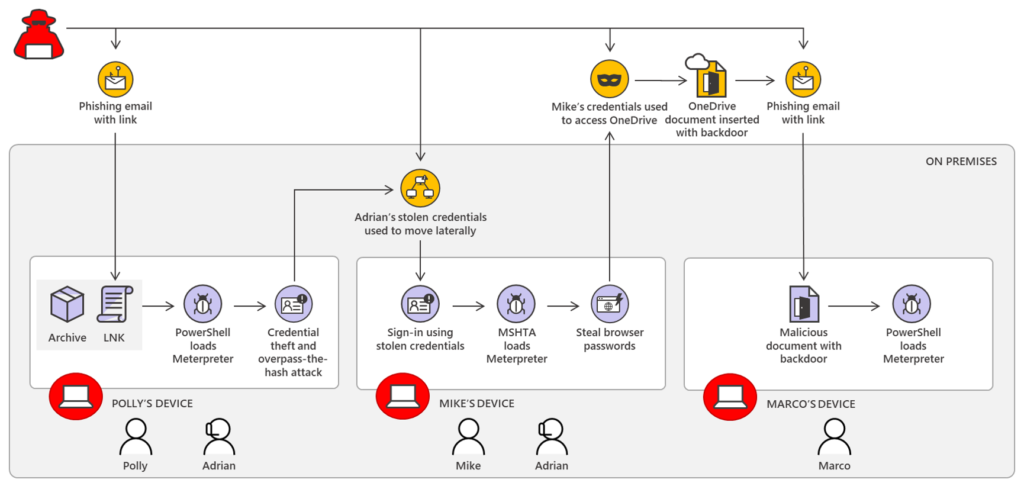
The phishing process is designed to look simple and trustworthy. Here is a quick overview of how the attack happens:
| Attack Stage | Description |
|---|---|
| Fake Email Delivered | User receives a message from a trusted-looking source |
| Device Code Included | Email contains a Microsoft verification code |
| User Visits Microsoft Page | Victim enters the code on the official website |
| Access Permission Granted | Hacker captures account authorization tokens |
| Account Compromised | Outlook, Teams, and OneDrive become accessible |
Unlike traditional scams, this attack does not require hackers to steal passwords directly.
Why Experts Are Concerned
Cybersecurity experts say Kali365 is making phishing attacks easier for criminals with little technical knowledge. The platform reportedly uses AI-generated phishing messages that look highly convincing.
The FBI also warned that hackers can track and target victims in real time. Since many businesses depend on Microsoft 365 tools for daily operations, the impact of these attacks could be serious.
This threat also highlights a growing trend where cybercriminals focus on stealing access permissions instead of passwords.
How to Protect Your Microsoft 365 Account
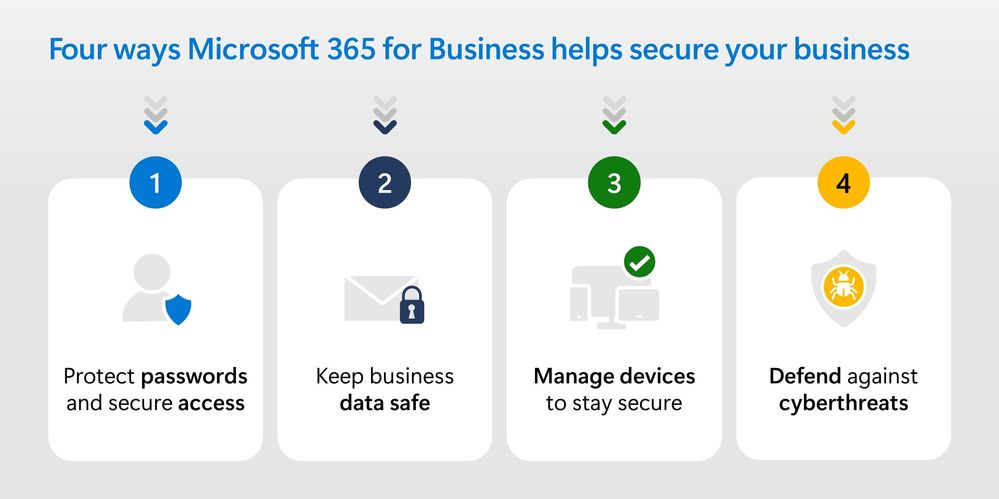
The FBI and Microsoft have both shared important security tips to help users stay safe from phishing attacks.
Important Security Tips
- Never enter verification codes unless you personally requested them
- Avoid clicking links in unexpected emails
- Check the sender’s email address carefully
- Keep your apps and operating systems updated
- Review account access permissions regularly
- Limit device code authentication when possible
Businesses should also create stronger access control policies for employees using Microsoft services.
Final Thoughts
The latest FBI warning shows that phishing attacks are becoming more advanced and difficult to detect. Even users with multi-factor authentication enabled may still be at risk if they unknowingly approve account access.
Microsoft 365 users should stay alert and learn how these scams work to avoid becoming victims. Understanding modern phishing techniques is now just as important as having strong passwords.
Readers interested in online safety can also explore topics like AI-powered cyber threats, phishing prevention tips, and cloud security best practices to stay updated on digital security trends.