
This winter flu season is bringing new concerns as a fast-spreading flu variant gains ground. Health officials are closely watching influenza A H3N2 subclade K, a mutated strain that is now linked to rising flu cases and hospitalizations in several countries, including the United States. While flu viruses change every year, this variant appears to be having a stronger impact than usual.
Why This New Flu Variant Is Getting Attention
Subclade K is a newer version of the H3N2 flu virus. Flu viruses often change slightly over time, which helps them spread more easily. This process, known as antigenic drift, is common. However, subclade K stands out because it appeared after this season’s flu vaccine was already developed.
Doctors report that this variant has quickly become the dominant strain in many areas. That means most current flu infections are being caused by subclade K, which explains why cases are rising earlier than expected this winter.
Are Flu Cases More Severe This Year?
Hospitals in some regions are seeing more flu-related admissions, especially among older adults. People aged 65 and above appear to be at higher risk of severe illness. While overall hospitalization numbers are still close to previous years, certain states are reporting noticeable increases.
Experts are still working to understand whether subclade K causes more serious symptoms or if the higher number of severe cases is simply due to more people getting infected at the same time. Either way, health systems are preparing for a busy flu season ahead.
How Well Does the Flu Vaccine Work?
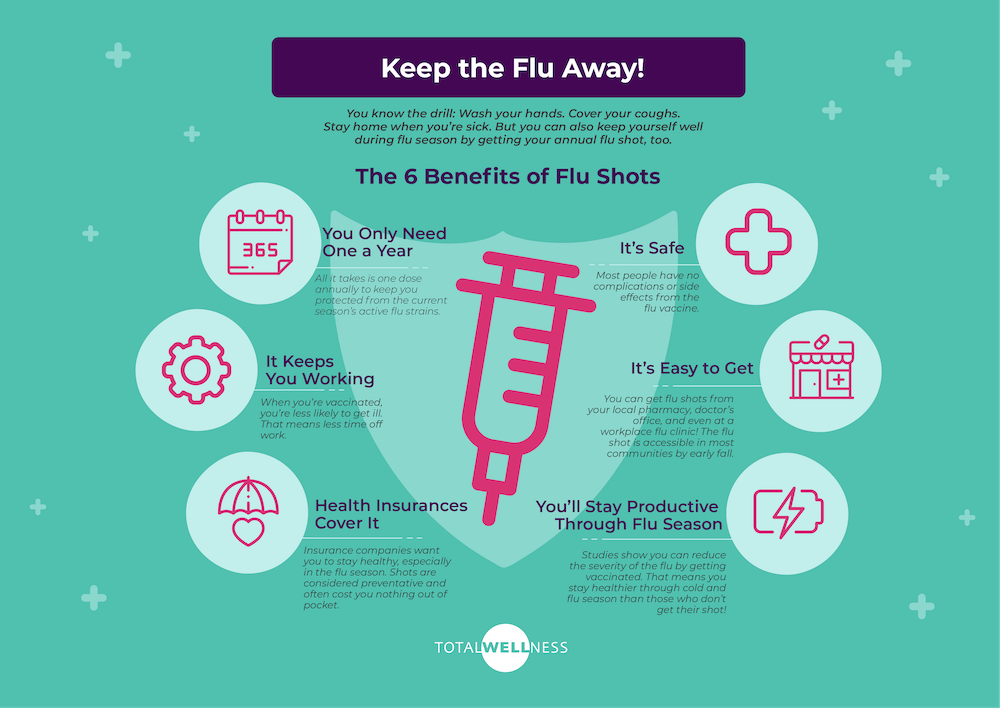
One of the biggest questions this winter is whether the flu shot is effective against subclade K. Since the vaccine was designed before this variant was identified, it may not prevent infection completely. However, medical experts agree that the vaccine still plays an important role.
The flu shot can reduce the risk of severe illness, complications, and death. Even partial protection is valuable, especially for seniors, young children, and people with long-term health conditions.
Here is a simple comparison to explain the difference:
| Category | Typical Flu Season | Subclade K This Winter |
|---|---|---|
| Speed of spread | Moderate | Faster than usual |
| Vaccine match | Strong | Partial protection |
| Risk for seniors | High | Higher than average |
| Hospital impact | Seasonal | Rising in some areas |
What This Means for the Rest of Winter
Flu season usually peaks later in the winter months, so health officials warn that cases could continue to rise. The previous flu season was already one of the most severe in years, and while back-to-back tough seasons are uncommon, they are possible.
For more details, you can also read our article on early flu symptoms to watch for and our guide on how flu seasons typically peak, which explain what to expect as winter continues.
Should You Still Get Vaccinated?
Yes. Doctors stress that it is not too late to get a flu shot. Vaccination remains one of the best ways to protect yourself and others. Simple habits like washing hands often, avoiding close contact when sick, and staying home if symptoms appear can also help limit the spread.
Final Thoughts
The new subclade K flu variant is a clear reminder that flu viruses can change quickly. While the situation deserves attention, staying informed and prepared is key. With vaccination, basic precautions, and awareness, you can reduce your risk and navigate this winter flu season more safely.