

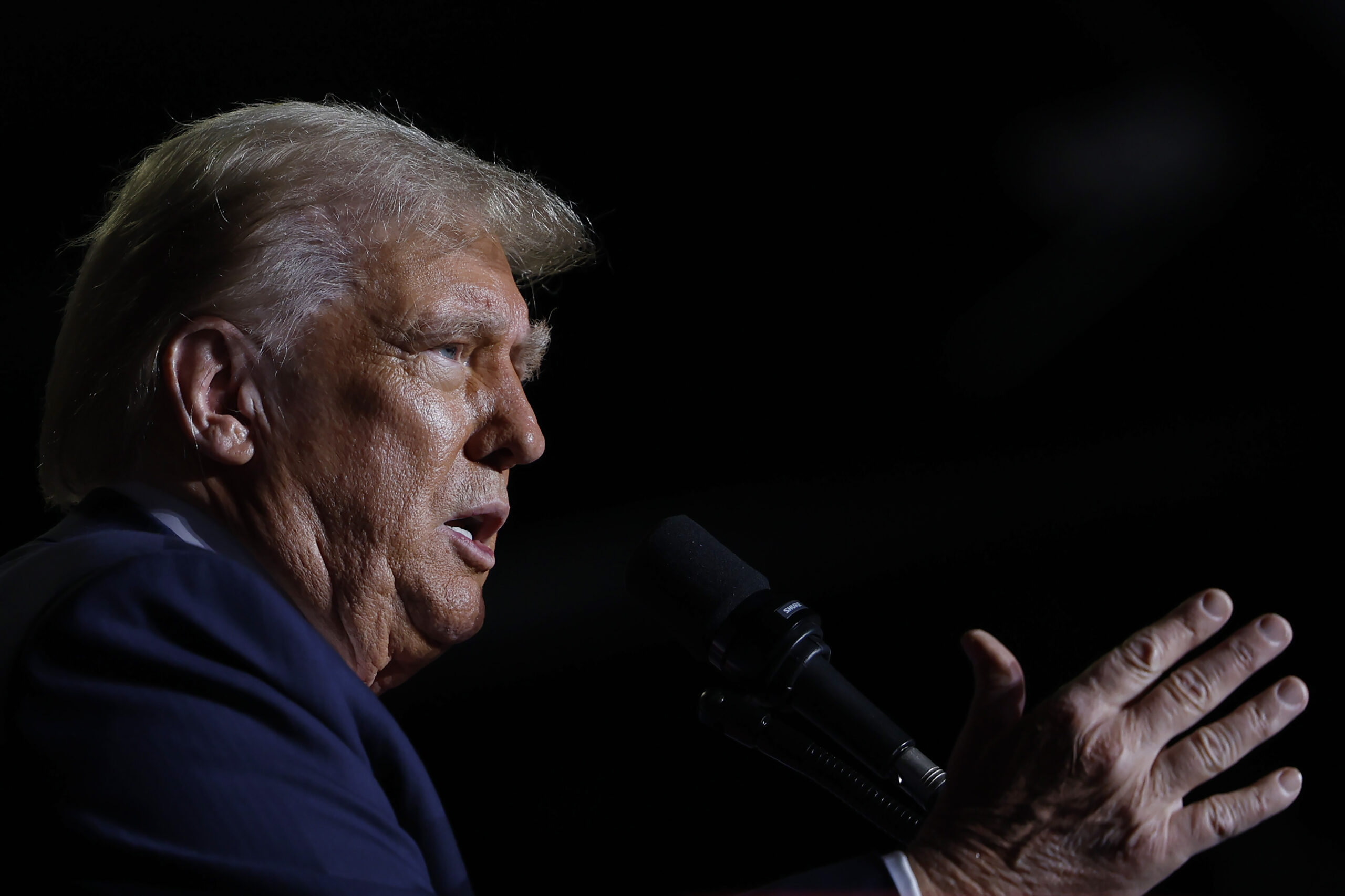
President Donald Trump has introduced a new health care proposal that places patients at the center of the system. Released by the White House in January 2026, the policy outline brings together several long-standing priorities of the president, including lower prescription drug prices, more control over health care spending, and clear pricing from insurers and medical providers. The administration says the goal is simple: reduce costs and give Americans more power over their health care choices.
Lower Drug Prices at the Core of the Plan
One of the most important parts of Trump’s latest health care proposal is the push to reduce prescription drug prices. The plan calls on Congress to approve the “most favored nation” pricing model. Under this approach, drug manufacturers would be required to sell medications in the United States at prices no higher than the lowest prices offered in other countries.
According to the White House, this change could bring significant relief to patients who struggle with high medication costs. Seniors and people with chronic illnesses are expected to benefit the most. While drug companies are likely to oppose the idea, the administration argues that patients should not be charged more simply because they live in the U.S.
More Control Through Health Savings Accounts
Another major shift in the proposal involves Affordable Care Act subsidies. Instead of sending government subsidies directly to insurance companies, the plan suggests transferring that money into Health Savings Accounts, also known as HSAs. This would allow individuals to decide how and when their health care funds are used.
The proposal also supports continued funding for the ACA’s cost-sharing reduction program. This is aimed at lowering insurance premiums and reducing out-of-pocket expenses. Supporters say this approach gives patients more flexibility while still keeping coverage affordable.
Transparency for Insurance Companies and Providers

Transparency is a key theme throughout Trump’s health care outline. Insurance companies would be required to clearly display their rates and coverage options in plain language. The goal is to make health plans easier to compare, without confusing terms or hidden details.
Insurers would also need to explain how much of their income goes toward medical care and how much goes to profits. Hospitals and doctors’ offices that accept Medicare or Medicaid would be required to publicly list their service costs. The administration believes this openness will increase competition and help patients make informed decisions.
How the Current System Compares to the Proposal
| Area | Current System | Proposed Changes |
|---|---|---|
| Drug Prices | Higher U.S. costs | Linked to global lowest prices |
| ACA Subsidies | Paid to insurers | Directed to HSAs |
| Insurance Details | Complex and unclear | Simple, patient-friendly |
| Medical Costs | Often hidden | Publicly available |
Challenges in Congress
President Trump has asked Congress to pass the proposal into law. While some parts of the plan match Republican priorities, others may face resistance from lawmakers, insurance companies, and health care providers. Price controls and transparency rules are expected to be the most debated sections.
Readers who follow health policy updates will notice that this proposal connects closely with ongoing discussions about affordability, patient rights, and health care reform in 2026.
Final Thoughts
Trump’s latest health care proposal aims to put patients first by lowering drug prices, increasing financial control, and improving transparency across the system. While the political path forward remains uncertain, the plan has already reignited the national conversation around health care reform. If approved, it could bring meaningful changes to how Americans access and pay for medical care.