
Meta Description: Latest updates on the Iran–Israel–US conflict as tensions escalate with fresh military strikes, widespread retaliation from Iran, and global reactions shaping this volatile Middle East crisis.
The long-running tensions between Iran, Israel, and the United States have taken a dramatic turn. Recent weeks have seen new military actions, rapid retaliation, and a broader international response that could reshape regional stability.
Fresh Military Strikes Ignite Regional Escalation
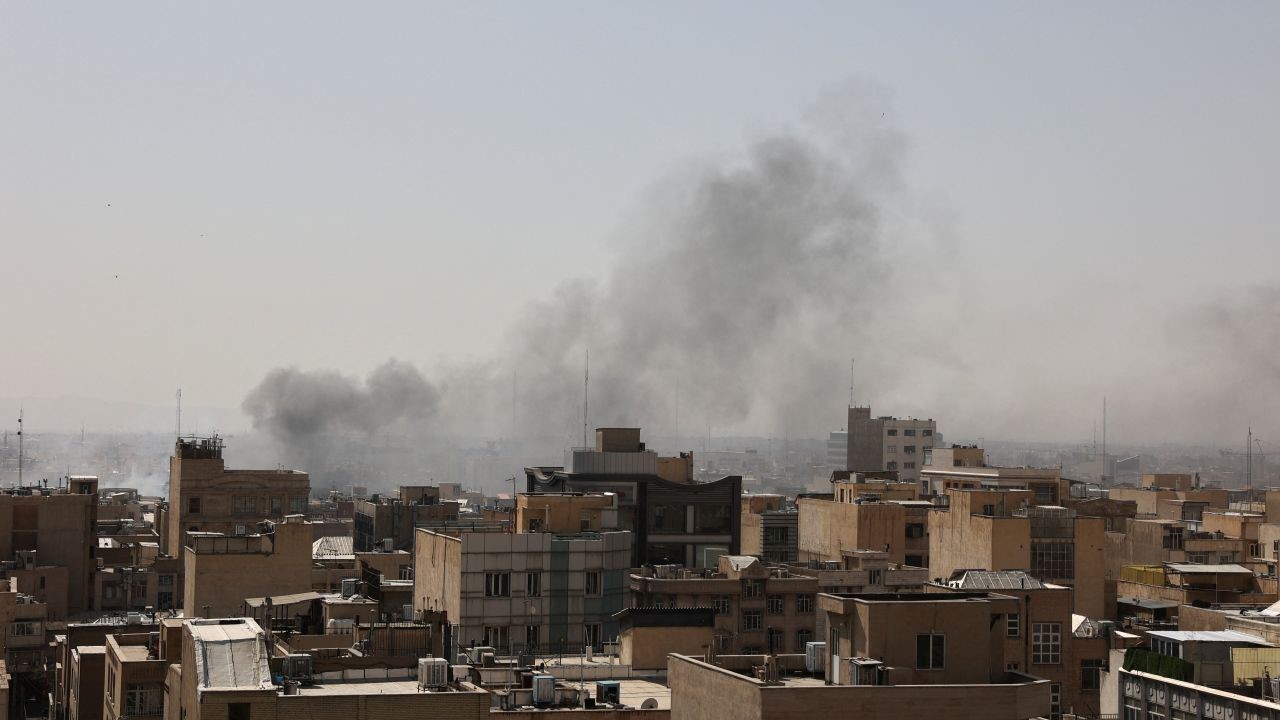
On 28 February 2026, a coordinated military offensive by the United States and Israel began with strikes deep inside Iran. The operation, reportedly known as Operation Lion’s Roar, targeted Iranian military and political infrastructure including key bases and leadership facilities. Explosions were widely reported in cities such as Tehran, Isfahan, and Tabriz, triggering fear and panic among civilians.
US President Donald Trump described the strikes as part of “major combat operations,” aimed at removing imminent threats and undermining Iran’s strategic capabilities. Sirens sounded across Israel, schools and workplaces were closed, and national alert systems were activated.
Iran’s Retaliation and Regional Spread
In response to the US-Israel offensive, Iran launched a broad retaliatory campaign across the Middle East. Tehran has fired missiles toward Israel and multiple Gulf states hosting American military assets, including Bahrain, Qatar, the United Arab Emirates, and Kuwait.
Iran’s leadership denounced the joint attack as a violation of international law and claimed that all American and Israeli interests in the region are now legitimate targets. The Iranian Foreign Ministry called for an urgent meeting of the United Nations Security Council to address what it called “unprovoked aggression.”
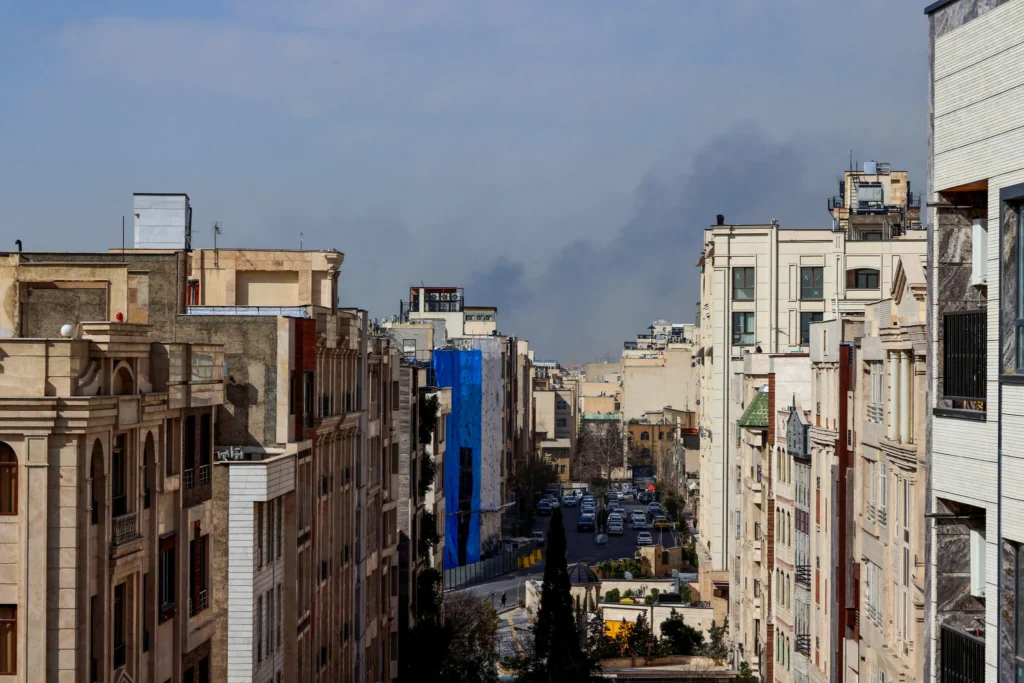
The scale of the retaliation has raised fears of a much wider conflict. Airspace over at least eight countries, including Iran, Israel, Iraq, and the UAE, has been closed as airlines divert flights and regional travel routes are disrupted.
How the Conflict Has Escalated
| Issue | US & Israel Action | Iran’s Response |
|---|---|---|
| Nature of Military Action | Coordinated pre-emptive strikes inside Iran | Broad missile and drone retaliation toward Israel and US bases |
| Targets | Military infrastructure, leadership sites | American and Israeli assets across the Middle East |
| Civilian Impact | Panic in major Iranian cities | Air defence alerts, civilian disruptions in Gulf states |
| Global Reactions | Cautious support from some Western nations | Calls for Security Council session and condemnation of strikes |
This comparison shows how both sides have intensified their military approaches, greatly increasing the risk of further escalation.
Impact on Civilians and International Response
The rapid escalation has had a serious impact on civilians across the region. In Iran, residents reported fear and mass movement as explosions rocked major cities. Some countries in the Gulf reported missile interceptions and debris from air defenses causing damage or casualties.
The conflict has drawn international reactions. Some nations have condemned the attacks and urged restraint, while others have expressed support for diplomatic solutions. Global leaders are pushing for de-escalation to prevent a broader war.
In addition, countries outside the Middle East, including India, have issued advisories to their citizens in the region, urging caution as the situation remains volatile.
What Comes Next?
Analysts believe this new chapter in the conflict could lead to prolonged military engagements and reshape alliances in the Middle East. Diplomatic efforts to resolve issues related to Iran’s nuclear and missile programs were already fragile before this escalation, and the latest strikes have made peaceful negotiations more difficult.
As events continue to unfold, the world watches with concern for further developments that could impact regional peace, global trade, and energy markets.
Stay tuned to more updates as this Iran–Israel–US conflict evolves and influences geopolitics in the wider world.