


The new CDC advisory group has begun a detailed review of several long-standing childhood vaccine guidelines, reopening major debates about how and when children should receive essential immunizations. This reconsideration comes at a time when vaccination rates are falling in some communities, making the discussions even more sensitive and closely watched.
Why the Advisory Group Is Re-Evaluating the Vaccine Schedule
The CDC’s Advisory Committee on Immunization Practices (ACIP) is responsible for shaping the national childhood vaccine schedule. These recommendations have remained largely stable for decades, backed by extensive safety data, clinical trials, and global scientific consensus.
However, with a newly appointed panel in place, the group is revisiting multiple guidelines. The goal, according to supporters, is to examine updated data and ensure recommendations match today’s public health landscape. But critics worry that revisiting proven vaccine rules could add confusion and fuel misinformation.
Spotlight on the Hepatitis B Newborn Dose

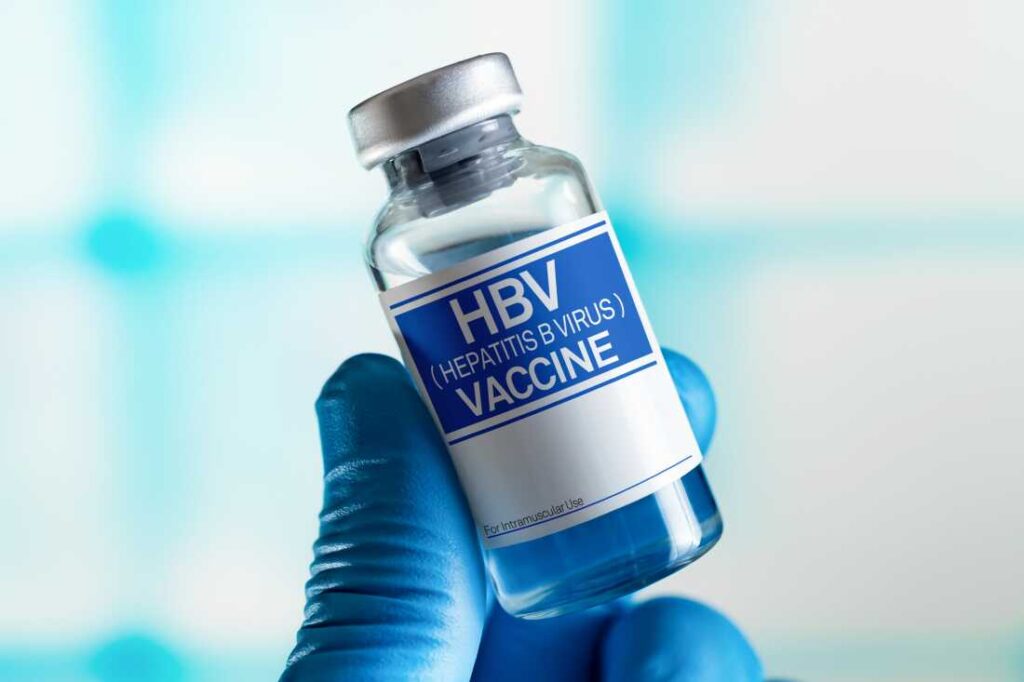
One of the most debated topics is the hepatitis B vaccine given to newborns within 24 hours of birth. This shot has been a standard practice since the 1990s and offers early protection against a virus that can cause lifelong liver damage if contracted in infancy.
Some members of the new advisory group are questioning whether the dose should remain universal. They argue that improved screening of pregnant mothers may allow the vaccine to be delayed unless a risk is identified.
Pediatricians and infectious disease specialists strongly oppose altering the universal dose. They emphasize that maternal screening is not perfect and that many infections go undetected. Infants who contract hepatitis B are more likely to develop chronic infection, making early protection essential.
Comparison Table: Universal Hepatitis B Birth Dose vs Selective / Delayed Dose
| Category | Universal Birth Dose | Selective / Delayed Dose |
|---|---|---|
| Protection | Immediate for every infant | Only provided when risk is identified |
| Accuracy | Not dependent on maternal testing | Relies heavily on accurate screening |
| Practicality | Simple and consistent nationwide | More complex and easier to miss |
| Long-term risk | Lower chronic infection rates | Higher chance of undetected infections |
Reviewing Other Childhood Vaccines
Beyond hepatitis B, the advisory group is examining multiple areas, including:
- Timing and dosing of the MMR vaccine
- Whether combination vaccines should be split into separate shots
- The continued use of aluminum-based ingredients that strengthen immune response
While some parents have raised concerns about aluminum, scientific studies over decades show no reliable link between these ingredients and chronic health conditions. Doctors warn that removing aluminum without a proven alternative could weaken certain vaccines.
Why These Discussions Matter
Public health experts stress that changes to vaccine guidelines must be grounded in strong evidence. With preventable diseases like measles and whooping cough resurging in parts of the country, the stakes are high. Any adjustment to the childhood vaccine schedule will influence how well communities can prevent outbreaks in the coming years.
What Parents Should Keep in Mind
For now, no changes have been made, and the current CDC childhood immunization schedule remains in place. Pediatricians encourage parents to rely on trusted medical professionals and stay informed as discussions continue.
While the new advisory group continues its review, families can expect ongoing debate—but any official updates will undergo careful evaluation before becoming national policy.