

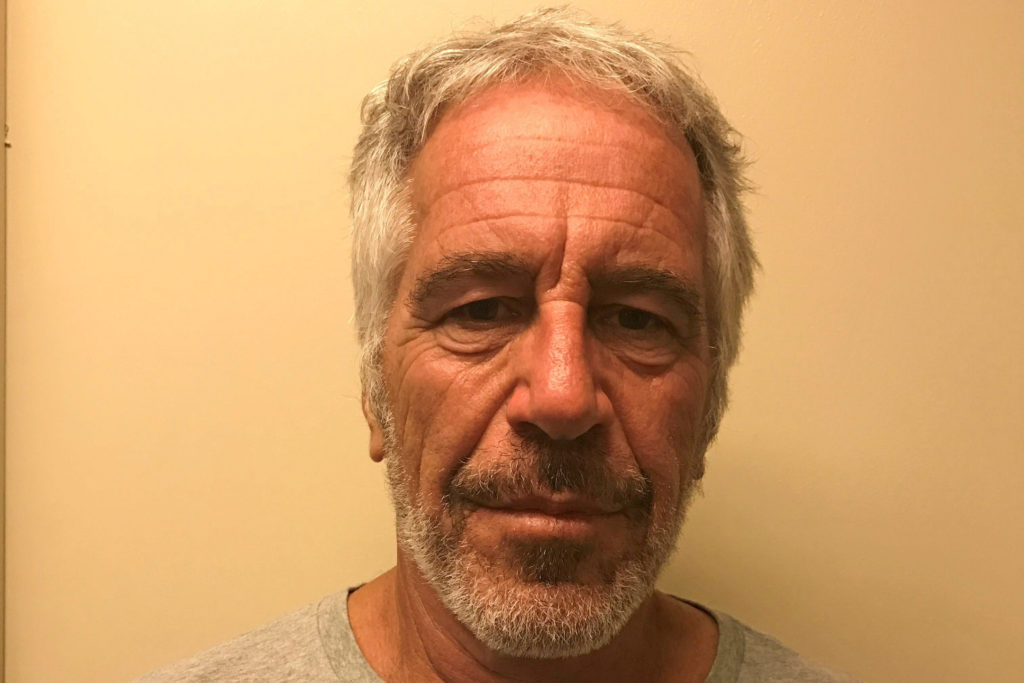
The Justice Department has released a new batch of emails connected to Jeffrey Epstein, bringing renewed attention to his ties with influential figures. The unsealed documents include communications that mention well-known names such as Bill Gates, Elon Musk, Prince Andrew, and others who have long been linked to Epstein through past reports.
While the files do not present final legal judgments, they have reignited public discussion around accountability, influence, and transparency at the highest levels of power.
Allegations Referencing Bill Gates
Several emails in the documents appear to have been written by Epstein himself. In these messages, Epstein makes serious personal claims involving Microsoft co-founder Bill Gates. The emails suggest Epstein was angered after Gates allegedly distanced himself and ended contact.
Gates has firmly rejected the allegations. A spokesperson described the claims as completely false and misleading, stating that the emails reflect Epstein’s attempts to damage Gates’ reputation after losing access to him. Gates has previously acknowledged meeting Epstein but has denied any wrongdoing.
This situation reflects a broader pattern already discussed on internal pages about how public figures respond when named in controversial document releases.
Elon Musk and Other Influential Figures
Elon Musk is also referenced in multiple email exchanges included in the release. These messages show conversations related to travel plans and social events years after Epstein’s 2008 conviction. However, the documents do not clearly show that Musk visited Epstein’s private island.
Musk has consistently said he did not have a close relationship with Epstein and rejected invitations to visit him. He has openly criticized efforts to connect him to Epstein’s crimes.
Other powerful figures named in the files include former US president Bill Clinton and Prince Andrew. In their cases, the documents do not reveal significant new claims beyond what has already been publicly discussed in previous years.
Snapshot of Key Figures Mentioned
| Name | Type of Mention | Public Position |
|---|---|---|
| Bill Gates | Personal claims in emails | Denies all allegations |
| Elon Musk | Social communication | Says contact was minimal |
| Prince Andrew | Known past association | Previously addressed |
| Bill Clinton | Historical links | No new accusations |
Why the Emails Were Released Now
The release followed legal pressure to meet a disclosure deadline. The Justice Department stated that delays were necessary to protect victims. Officials confirmed that women appearing in any images or videos were fully redacted, except for Ghislaine Maxwell, who is serving a 20-year prison sentence for her role in Epstein’s crimes.
Senior officials defended the process, saying careful review was required to balance transparency with privacy and safety.
Political Pushback and Public Reaction
Despite the unsealing of documents, criticism remains strong. Some lawmakers argue that only part of the total material has been released. Victims and advocacy groups have also expressed frustration, claiming the delay weakened public trust.
These concerns align with ongoing debates already covered in internal discussions about government transparency and the handling of sensitive investigations.
Why the Spotlight Has Returned
The Epstein case continues to raise uncomfortable questions about power and privilege. Even years after his death, newly released material shows how deeply connected he was to elite circles.
While the emails may not lead to immediate legal consequences, they reinforce the need for continued scrutiny. As more information emerges, public interest in this case shows no signs of fading.