
Big Tech companies have long presented themselves as champions of free expression, promising that anyone could post, share, and be heard online. Social media was sold as a digital public square where ideas flowed freely. But reality has diverged sharply from that promise.
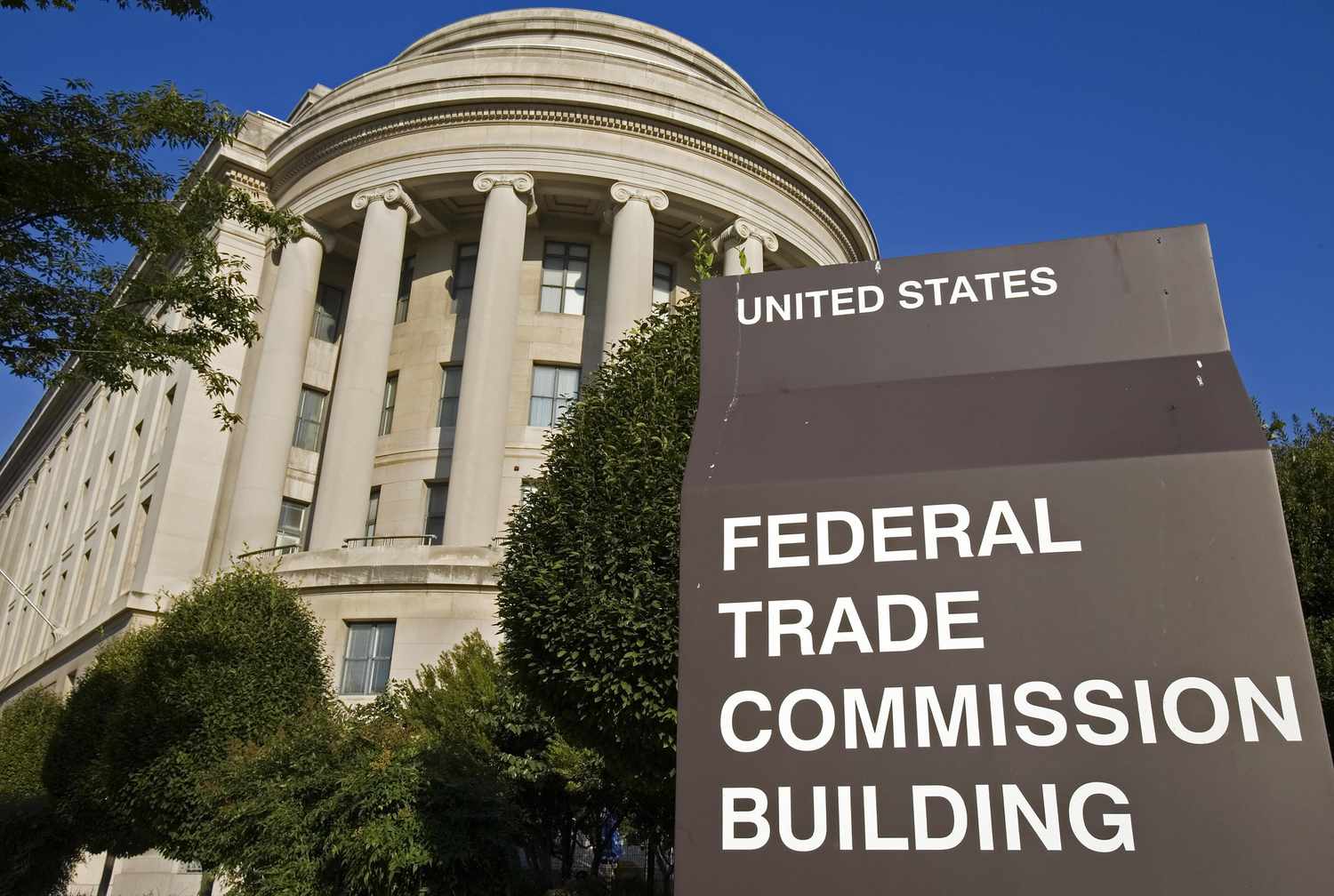
Earlier this year, the Federal Trade Commission announced a formal inquiry into technology platform censorship. While some may view this as another bureaucratic exercise, the probe itself signals a major shift. It acknowledges what many users already know: online platforms have evolved into gated echo chambers where speech, visibility, and engagement are tightly controlled.
Censorship on these platforms often operates quietly. Users experience demonetization, shadow banning, or sudden account suspensions with little or no explanation. Appeals are limited or ineffective. Algorithms, not legal frameworks, determine which content thrives and which disappears. What platforms call “community standards” frequently serve as tools of selective control, allowing corporations to act as de facto cultural gatekeepers.
The FTC’s decision to solicit public feedback highlights the growing scrutiny on these practices. It is no longer enough for platforms to claim neutrality; patterns of biased moderation and algorithmic suppression are now being formally examined. This moment suggests that Big Tech’s influence over online discourse may be starting to waver.
| Centralized Platforms | Independent Alternatives |
|---|---|
| Algorithm-driven reach | Community-driven visibility |
| Hidden moderation policies | Transparent guidelines |
| Monetization tied to platform rules | Creator-owned revenue |
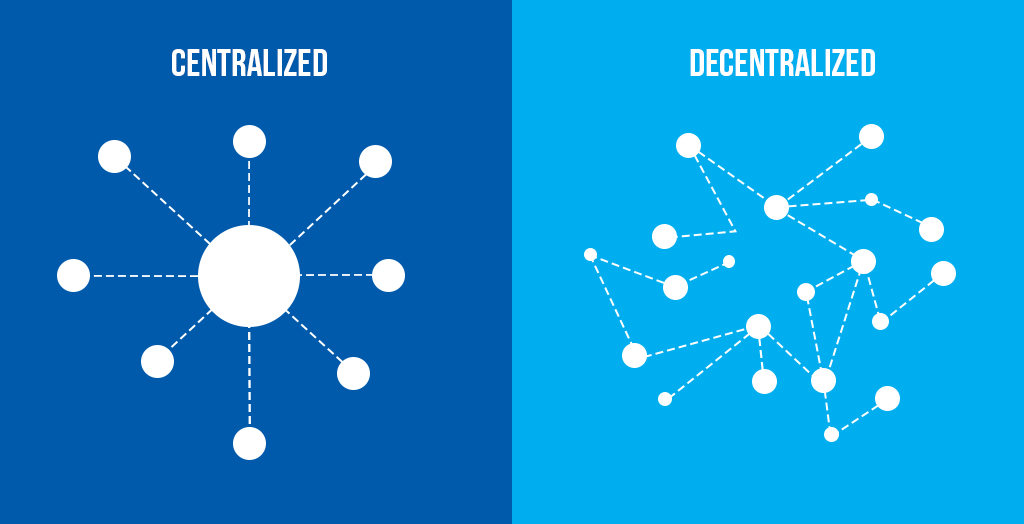
| Corporate-controlled distribution | Decentralized networks |
This table shows why many creators are diversifying their presence. Relying solely on one platform leaves them vulnerable to sudden policy changes, shadow bans, or account suspensions. Independent and decentralized alternatives offer clearer rules, more control, and greater long-term stability.
The potential collapse or weakening of Big Tech’s dominance could have far-reaching consequences. Monopoly over distribution and exposure may decline, while unfiltered creativity and authentic engagement could see a revival. Communities that rely on shared interests, rather than algorithms, may flourish, and platforms may be pushed to increase transparency and accountability.
For users and creators, this is the time to act strategically. Avoid building influence solely on platforms that can change rules at any moment. Support independent creators, alternative communities, and decentralized networks. Document censorship incidents, save records, and advocate for clearer moderation policies.
Big Tech’s power has never stemmed solely from innovation or better products—it stems from controlling attention, data, and distribution. The FTC’s probe is a signal that this control is being challenged. To ensure the internet remains a space for free expression, platforms must become more transparent, accountable, and open.
The era of unchecked algorithmic censorship may be nearing its end. Users, creators, and regulators now have an opportunity to shape a more equitable digital future.