Introduction
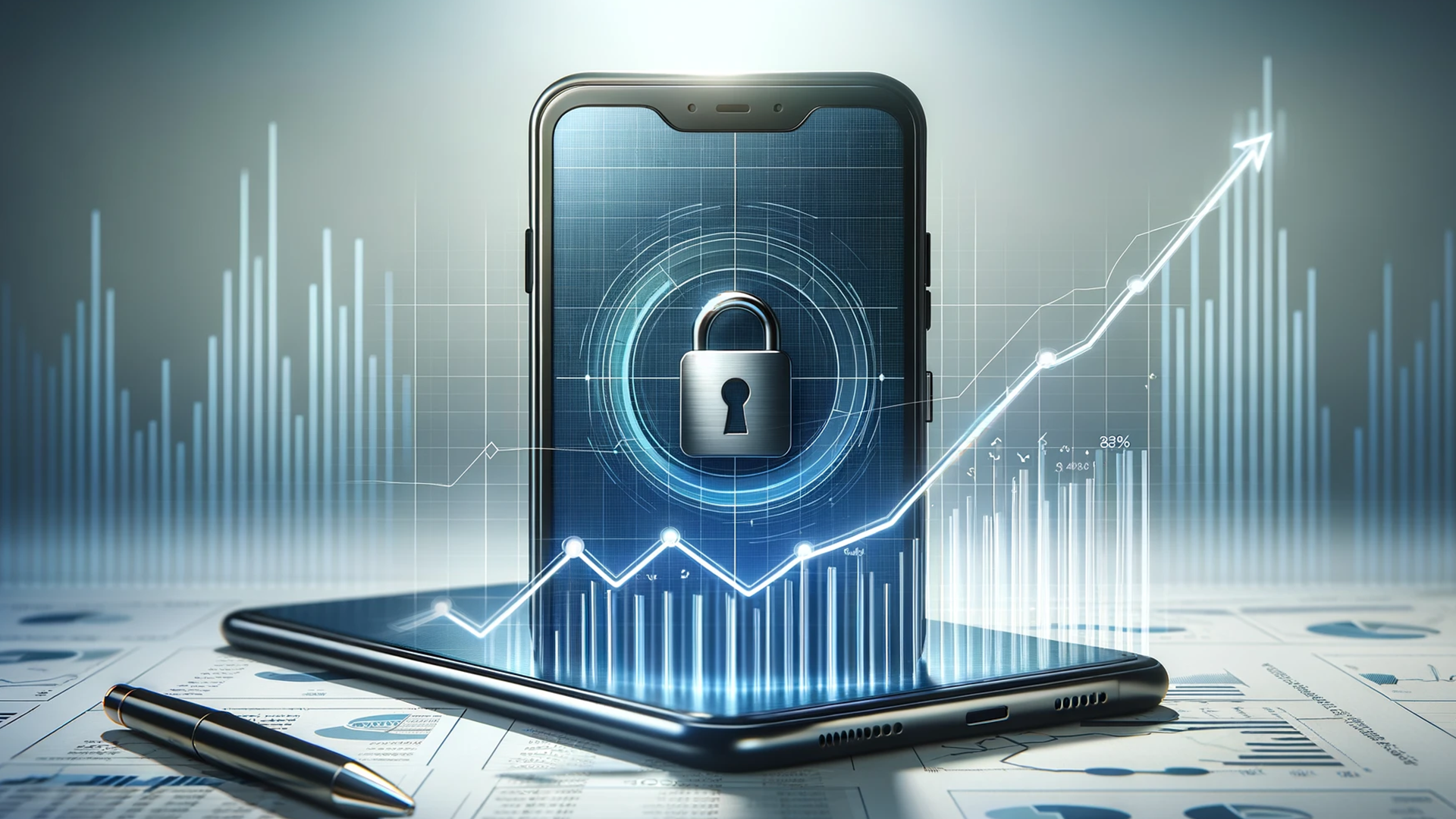
The issue of Poor Mobile Phone Security Exposed US Officials to Danger has become a major concern after a recent government report revealed serious weaknesses in how mobile devices are used by security personnel. The findings show that simple mistakes in phone usage may have created risks for national leaders and other protected officials.
Mobile phones are now a key part of field operations, but weak security habits can turn them into a serious threat.
How Mobile Phone Use Created Risk
The report shows that many Secret Service agents used personal phones during official duties. This happened because government devices were sometimes difficult to use or limited in features.
However, using personal phones created major security gaps. These devices can store sensitive data like messages, contacts, photos, and location history. If hacked, this information can be used to track movements or expose operations.
The Poor Mobile Phone Security Exposed US Officials to Danger situation highlights how even basic device choices can impact national safety.
Key Problems Found in the Report
Several important issues were identified:
- Agents used personal phones during missions
- Sensitive data was not always wiped after international travel
- No proper testing system for new mobile software
- Communication tools on official devices were limited
- Reliance on informal group chats during field operations
These issues created confusion and forced employees to choose convenience over secure communication.
Government Phones vs Personal Phones
Below is a simple comparison showing why secure devices matter:
| Feature | Government Phones | Personal Phones |
|---|---|---|
| Security Control | Strict monitoring | Limited control |
| Data Protection | Encrypted and managed | Depends on user settings |
| App Usage | Approved apps only | Full app access |
| Risk of Data Leak | Low | High |
| Field Communication | Secure channels | Informal messaging apps |
This comparison clearly shows why mixing personal devices with official work increases risk.
Why This Issue Matters
The Poor Mobile Phone Security Exposed US Officials to Danger report is not just about technology problems. It is about real-life safety risks. If attackers access sensitive phone data, they could learn about security routes, schedules, or locations.
In high-level protection work, even a small leak can create serious danger. That is why strong mobile security is as important as physical protection.
Steps Taken to Improve Security
After the report, steps have been taken to improve systems. These include better communication tools, improved mobile coverage during missions, and updated rules for device usage.
However, challenges still remain. Many agents feel that government phones are not flexible enough, which sometimes leads to the use of personal devices.
To reduce the Poor Mobile Phone Security Exposed US Officials to Danger risk, stronger training and better technology will be needed.
For more details on improving digital safety practices, you can explore our internal guide on secure mobile communication in high-risk environments.
Conclusion
The issue of Poor Mobile Phone Security Exposed US Officials to Danger shows how everyday technology habits can create serious security risks. Using personal phones, weak controls, and poor device management can expose sensitive information.
Better systems, clear rules, and strong discipline are needed to prevent future risks. In today’s world, protecting data is just as important as protecting people.