
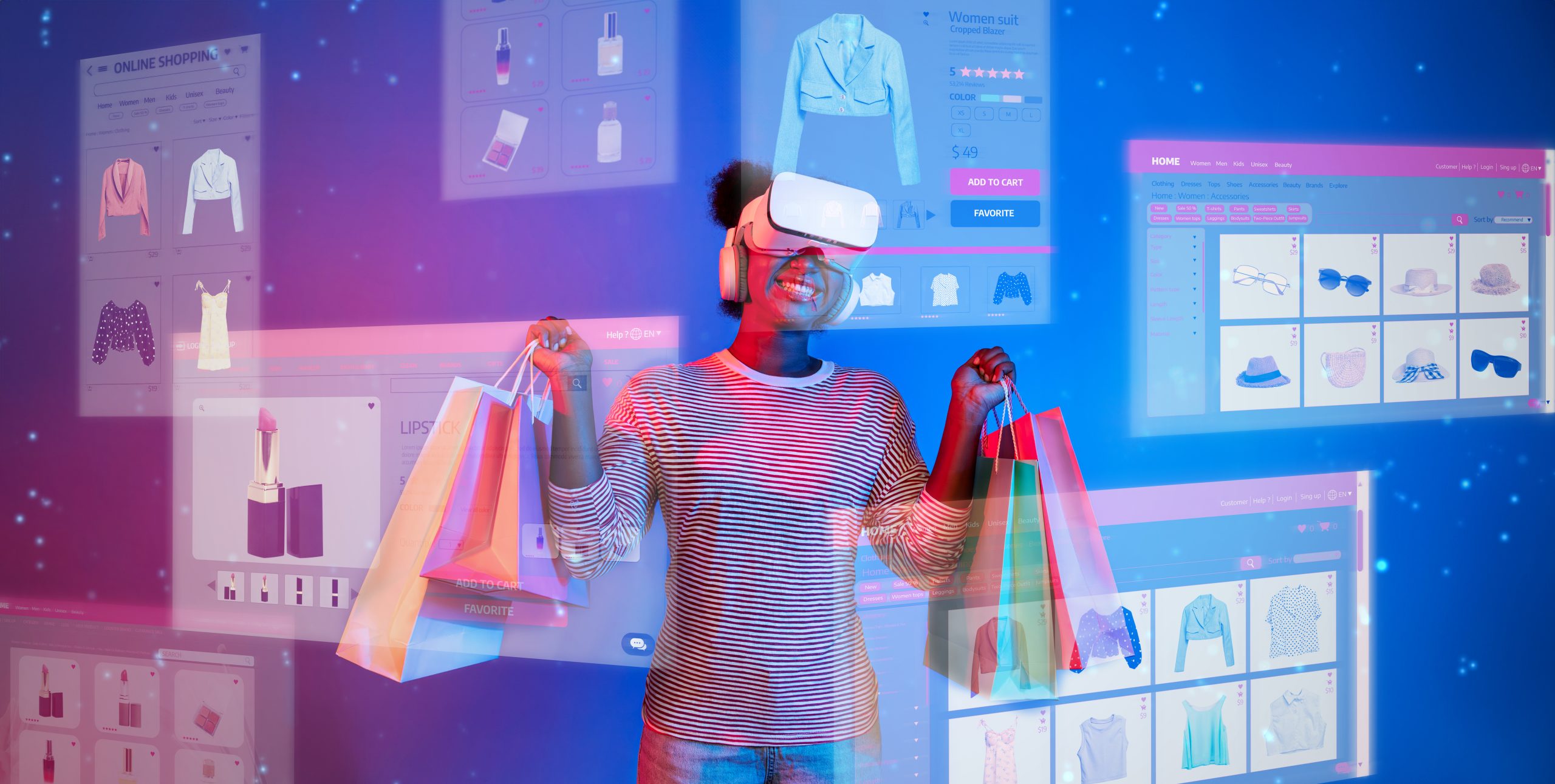
Retail is entering a smarter phase. AI-powered shopping is no longer limited to product suggestions or basic chat support. Today, intelligent systems can guide shoppers from discovery to purchase, often completing tasks on their behalf. For retailers, understanding these changes is essential to stay competitive in 2026.
New standards and tools are helping brands simplify operations, connect with high-intent shoppers, and improve sales outcomes across digital channels.
The Shift Toward Agent-Led Shopping
AI-powered shopping relies on agents that understand customer intent and act accordingly. These agents help shoppers compare products, answer questions, and move smoothly toward checkout.
For retailers, this shift means the buying journey is faster and more focused. Shoppers are no longer overwhelmed by choices. Instead, AI narrows options based on real needs, which increases the chance of conversion. Retailers who provide clear and structured product data are more likely to be recommended by these systems.
Open Commerce Standards Are Changing the Game
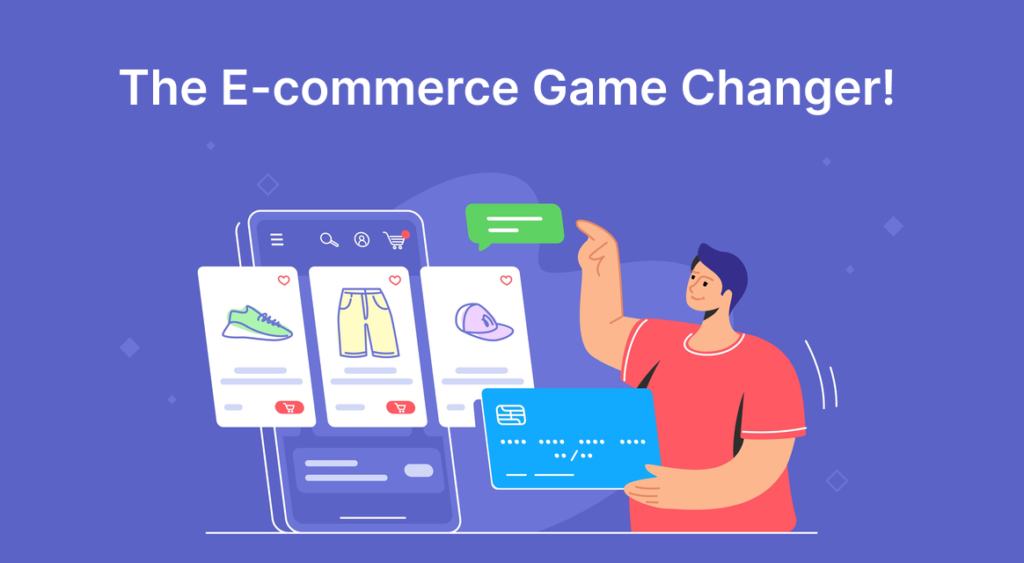
One of the most important developments in AI-powered shopping is the rise of open commerce standards. These standards allow different platforms, AI agents, and payment systems to work together using a shared framework.
Instead of building custom connections for every sales channel, retailers can now integrate once and scale easily. This reduces technical effort and creates consistent experiences for shoppers. It also allows retailers to stay flexible as new tools and platforms emerge.
Open standards support the full shopping lifecycle, from discovery and checkout to post-purchase support, while keeping retailers in control of their brand and operations.
Faster and Safer AI-Driven Checkout
AI-powered checkout is designed to remove friction at the most critical moment. Shoppers can complete purchases directly within their shopping journey, without switching apps or pages.
Secure payment systems use saved payment methods and delivery details, making the process quick and familiar. For retailers, this leads to fewer abandoned carts and higher completion rates. Over time, checkout experiences will also include loyalty benefits and personalized recommendations.
Branded AI Agents Improve Customer Engagement
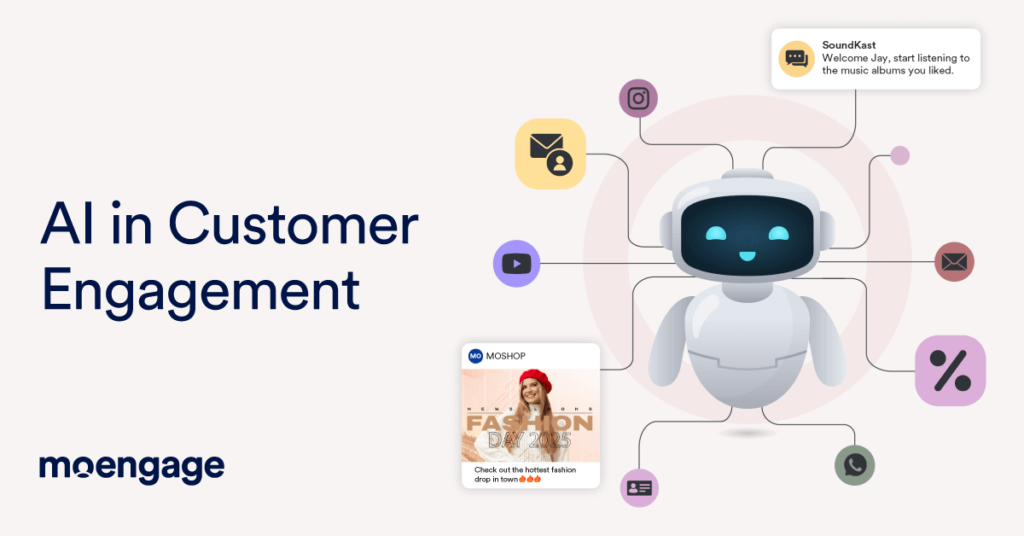
Branded AI agents are becoming an important tool for modern retailers. These agents act like virtual sales associates, available during search and discovery moments.
They can answer detailed product questions, recommend related items, and share relevant offers. This real-time interaction helps shoppers feel supported and confident in their decisions. Brands using these agents often see better engagement and longer session times.
You can learn more about improving customer interaction in our commerce strategy resources.
Smarter Product Discovery in Conversational Search
As shopping becomes more conversational, traditional keyword-based listings are no longer enough. AI-powered systems rely on richer product details, such as use cases, compatibility, and alternatives.
Providing this information helps AI understand when and where to surface products. Retailers that invest in better product data gain improved visibility and stronger alignment with shopper intent.
Direct Offers That Close the Sale
To help convert high-intent shoppers, AI-powered Direct Offers present exclusive deals at the right moment. These offers appear when shoppers are close to buying, making them more effective than broad promotions.
Traditional Offers vs AI-Powered Direct Offers
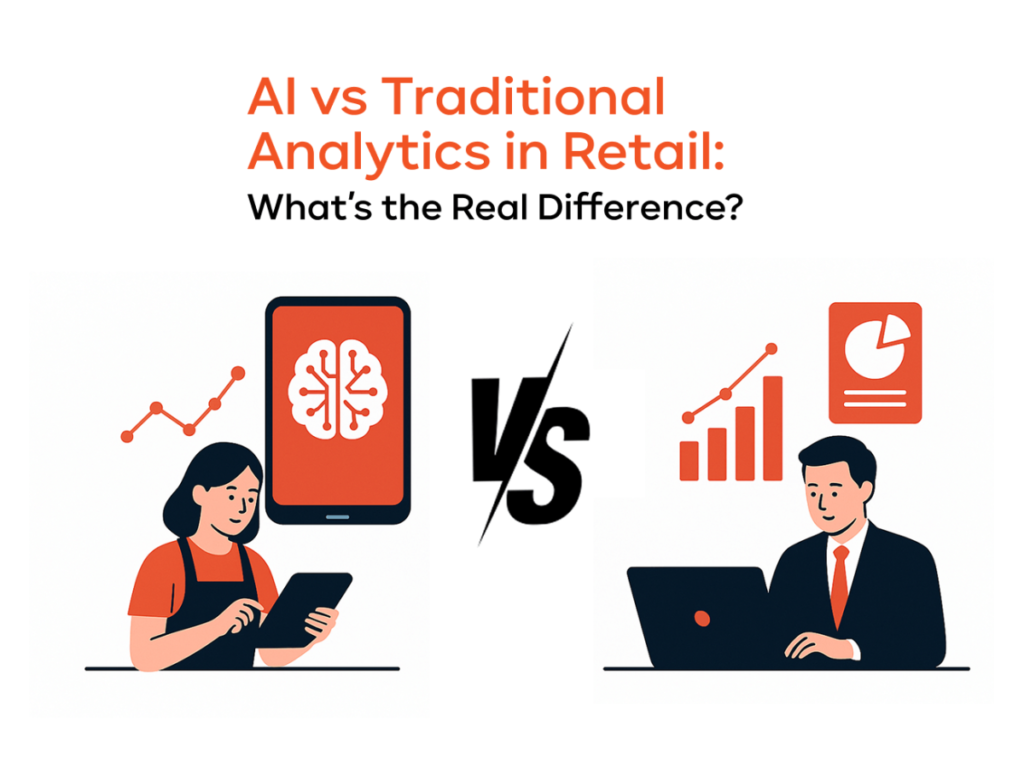
| Feature | Traditional Offers | AI-Powered Direct Offers |
|---|---|---|
| Targeting | General audience | Intent-based |
| Timing | Early browsing | Purchase-ready moment |
| Relevance | Medium | High |
| Conversion Impact | Moderate | Strong |
Preparing for the Future of Retail
AI-powered shopping is reshaping how consumers discover, evaluate, and buy products. New standards and tools are making it easier for retailers to adapt without losing control or increasing complexity.
Retailers that embrace open systems, invest in strong product data, and adopt AI-driven engagement tools will be well positioned for long-term growth. The future of retail belongs to brands that understand AI not as a trend, but as a core part of the shopping experience.