PC gaming has never been easy, but recent years have made it tougher than ever. From global chip shortages to increasing demand for high-end components, the cost of building or upgrading a gaming PC has reached uncomfortable levels. As we move closer to 2026, one clear trend is emerging: cloud gaming is no longer just an option. For many players, it may soon be the only practical choice.
The gaming industry has already started moving in this direction. Hardware prices continue to rise, publishers are adjusting their strategies, and platforms are investing heavily in cloud-based solutions. Whether gamers fully accept it or not, the shift is happening.
Why PC Gaming Is Becoming Too Expensive
The cost of PC hardware has been climbing for years. First came supply chain disruptions, followed by increased demand from cryptocurrency mining. Now, artificial intelligence workloads are pushing memory and processing requirements even higher.
RAM prices, in particular, are rising at an alarming rate. Since RAM is essential for any gaming PC, this creates a serious problem for players who want to upgrade. Graphics cards, storage, and CPUs are also far from affordable. For many gamers, spending a large amount of money on a new PC no longer feels worth it.
As a result, fewer players are building custom systems, and more are looking for alternatives that do not require constant hardware upgrades.
Cloud Gaming Is Filling the Gap
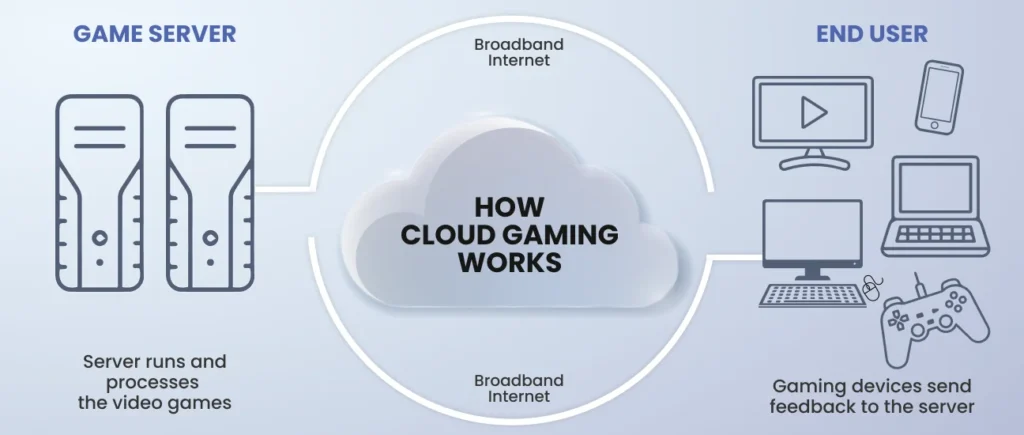
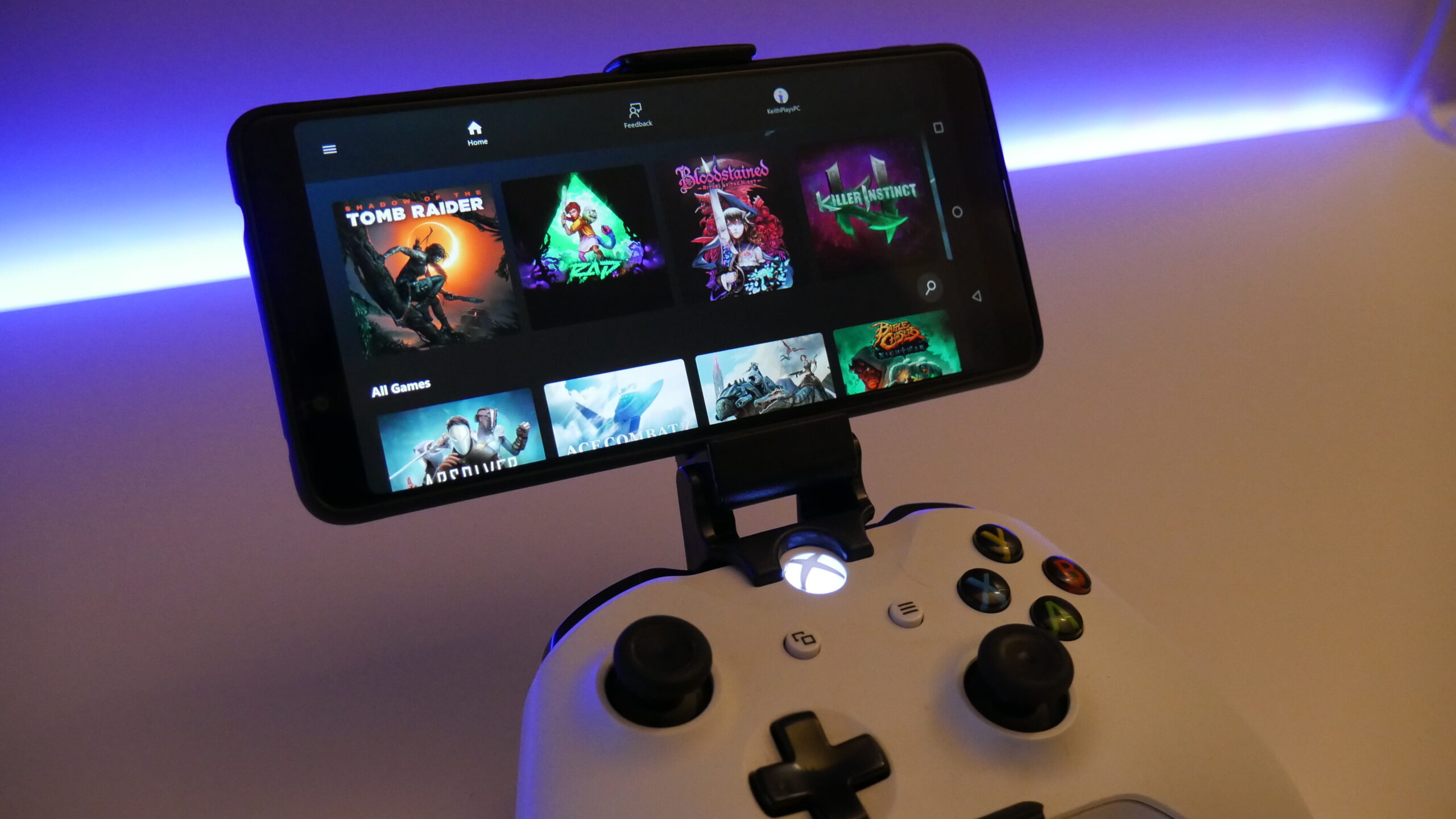
Cloud gaming offers a simple solution to a complex problem. Instead of owning powerful hardware, players stream games from remote servers. These servers handle the heavy processing, while the player only needs a stable internet connection and a supported device.
Major platforms are already investing heavily in cloud gaming services. This allows publishers to reach more users without worrying about their hardware limitations. For players, it removes the need to chase expensive upgrades every few years.
Comparing Traditional PC Gaming and Cloud Gaming
The difference between these two approaches becomes clearer when compared side by side.
| Feature | Traditional PC Gaming | Cloud Gaming |
|---|---|---|
| Upfront cost | Very high | Low |
| Hardware upgrades | Frequent and expensive | Not required |
| Performance | Depends on your PC | Depends on internet quality |
| Accessibility | Limited to powerful PCs | Works on many devices |
| Long-term cost | High maintenance | Subscription-based |
This comparison shows why cloud gaming is becoming more attractive, especially for new and casual players.
Platform and Publisher Strategy Changes
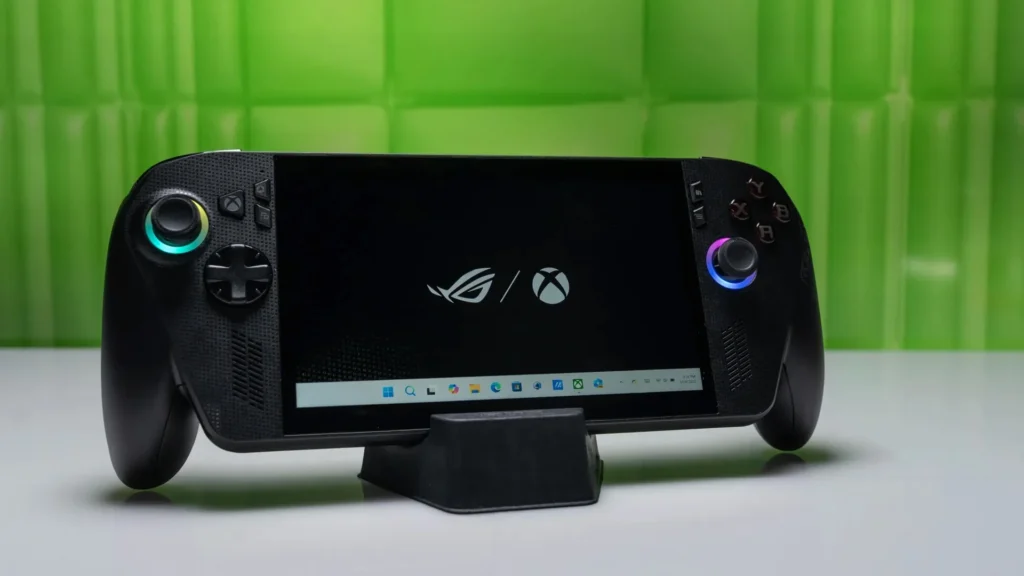
Publishers are also playing a role in this shift. Cloud platforms reduce piracy risks, allow faster updates, and open new subscription-based revenue models. From a business perspective, cloud gaming makes sense.
Platform owners benefit too. By controlling the hardware environment, they can optimize performance and offer consistent experiences across devices. This level of control is difficult to achieve with traditional PC gaming.
What 2026 Could Look Like for Gamers
By 2026, cloud gaming is expected to be deeply integrated into the gaming ecosystem. This does not mean traditional PC gaming will disappear, but it may become a premium option rather than the norm.
For many players, using someone else’s powerful hardware through the cloud will simply be more practical. As costs rise and choices narrow, cloud gaming may take over not because gamers asked for it, but because the industry has already decided.