

The flu is spreading faster than usual in 2025, and doctors across the country are raising concerns. What is surprising this year is how early the flu season started and how quickly cases increased. Pediatric hospitals and clinics are already crowded, with children making up a large number of patients.
Health experts say they rarely see such intense flu activity so early in the season. Families are noticing more sick days, school absences, and trips to the doctor as the virus moves rapidly through communities.
What Is Driving the Fast Spread of Flu in 2025
One major reason for the rapid spread is close contact among children. Schools, daycare centers, and playgrounds allow the flu virus to move easily from one child to another. Young children often struggle with hand hygiene and tend to touch shared surfaces, which increases the risk of infection.
Indoor gatherings have also played a role. As temperatures drop, people spend more time inside, where viruses spread more easily. Holiday travel and family events further add to the problem, allowing the flu to move quickly between households and cities.
Doctors are also seeing a clear link between flu severity and vaccination status. Children who have not received the flu shot are more likely to develop serious symptoms and require hospital care. In contrast, vaccinated children usually recover at home with milder illness.
Common Flu Symptoms Seen This Year
Most flu cases in 2025 show classic symptoms. These include high fever, chills, body aches, cough, and extreme tiredness. Many children are also experiencing strong headaches and dizziness. Doctors say dehydration may worsen these symptoms, especially when kids are not eating or drinking well.
Some children also experience vomiting or diarrhea. These symptoms can be part of the flu or may occur due to a secondary infection. Parents should seek medical care if a child has a fever lasting more than two or three days, appears unusually weak, or has trouble breathing. You can also review our internal article on early flu symptoms in children for more guidance.
Vaccinated vs Unvaccinated: A Clear Difference
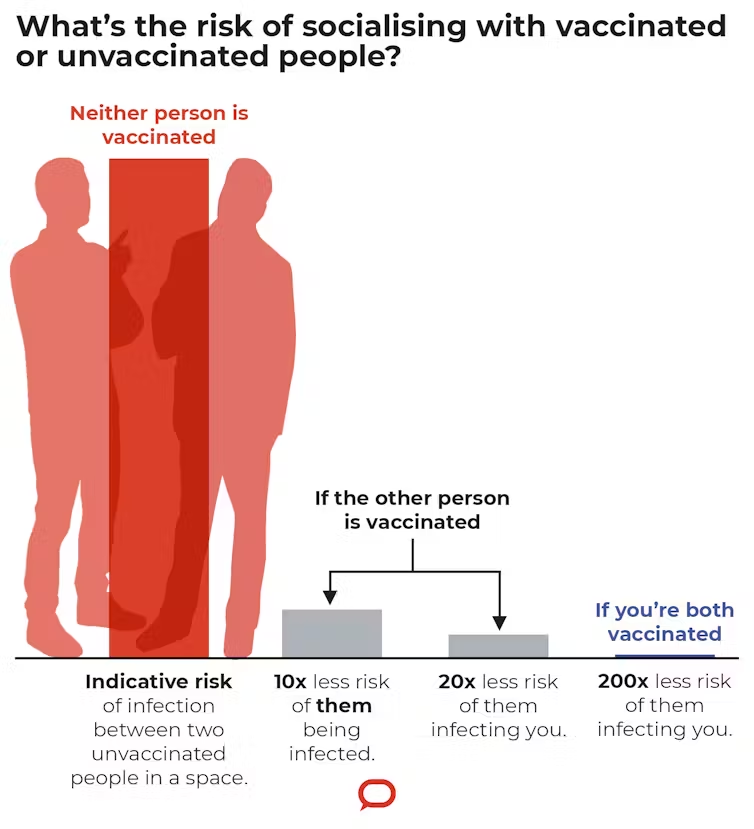
Doctors across hospitals are noticing a strong pattern in recovery based on vaccination.
| Area | Vaccinated Children | Unvaccinated Children |
|---|---|---|
| Severity of illness | Mild to moderate | Often severe |
| Hospital admission | Rare | More common |
| Recovery time | Faster | Slower |
| Risk of complications | Lower | Higher |
This comparison highlights why flu vaccination remains one of the most effective protective steps.
Treatment Options and Medicine Availability

As flu cases rise, demand for antiviral medicines like Tamiflu has increased. Tamiflu works best when taken within the first 24 to 48 hours after symptoms begin. It can reduce the duration of illness by about one day but is not a cure.
Doctors usually recommend Tamiflu for high-risk patients, including young children, older adults, and those with chronic health conditions. You can learn more in our internal guide on flu treatment and antiviral options.
How to Stay Protected This Flu Season
Prevention remains the strongest defense against the flu. Doctors recommend annual flu shots for everyone six months and older. Simple habits like regular hand washing, staying hydrated, and getting enough rest can also reduce risk.
If someone has an active fever, staying home is essential. This helps protect older adults and others who are more vulnerable to severe flu complications. Flu may be spreading fast in 2025, but informed choices and early action can help keep families safe and healthy.