
Apple has completed 50 years of innovation, becoming one of the most influential technology companies in the world. What started as a small idea between two young innovators has grown into a global tech empire used by more than 2.5 billion people today.
The story of Apple proves how creativity, bold ideas, and strong leadership can transform an entire industry.
The Humble Beginning of Apple
Apple’s journey began in California during the early 1970s when Steve Jobs and Steve Wozniak met. At that time, computers were large, complex machines used mostly by engineers and researchers.
In 1975, Wozniak built a simple computer made mainly of a circuit board. Jobs saw a business opportunity and suggested selling it. That decision led to the creation of Apple as a company.
Their first product sold about 150 units, but their second computer, the Apple II, became a huge success. It sold millions and helped introduce personal computers to homes and offices around the world.
The Macintosh and a New Era of Computing
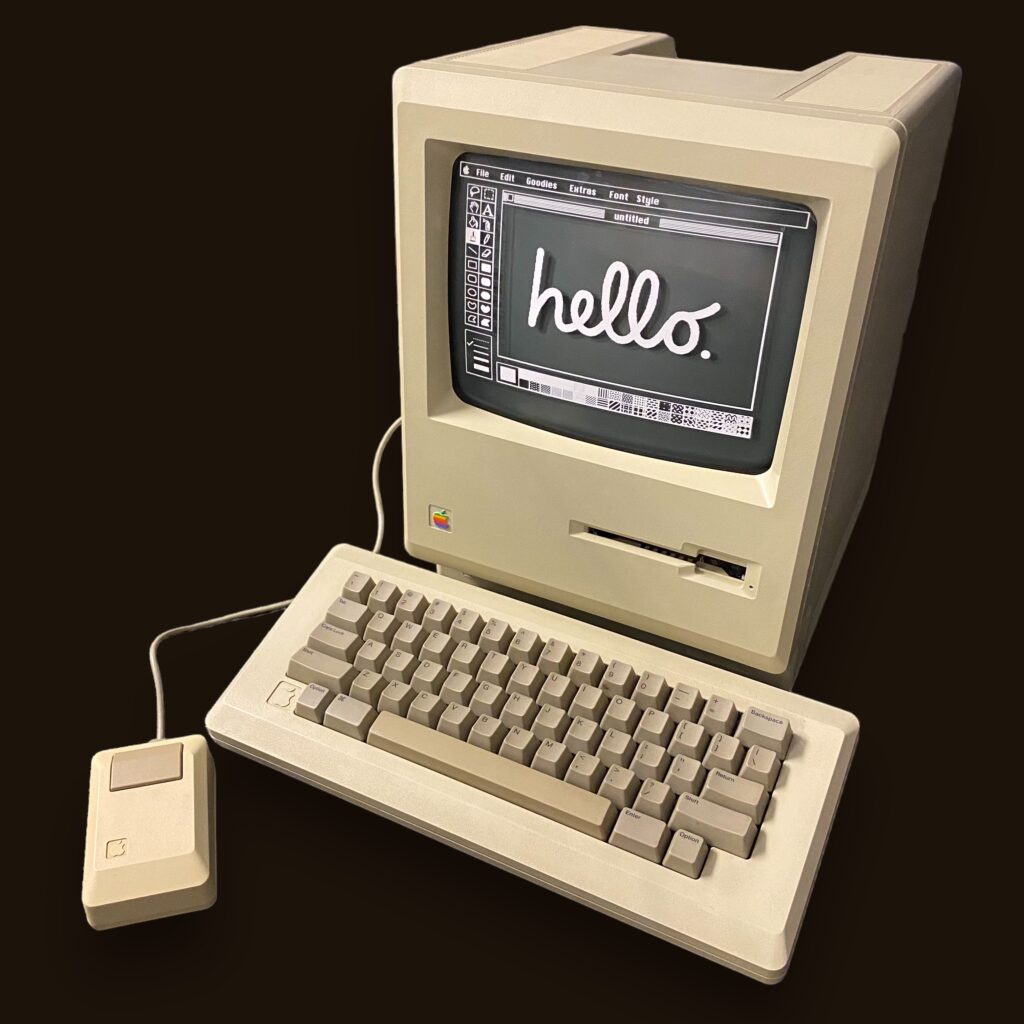
Apple made another big leap in 1984 with the launch of the Macintosh. It was one of the first affordable computers designed for everyday users.
The Macintosh introduced a graphical interface with icons, menus, and a mouse. This made computers easier and more enjoyable to use compared to text-based systems.
The product showed Apple’s focus on simplicity, design, and user experience, which later became the company’s identity.
A Difficult Period for Apple
Despite early success, Apple struggled during the 1990s. After a power struggle with CEO John Sculley, Steve Jobs left the company.
Without his leadership, Apple lost direction and started falling behind competitors. The company faced serious financial problems and risked becoming irrelevant.
Everything changed in 1997, when Jobs returned to Apple. He simplified the product lineup, restructured the company, and focused again on innovation.
Many experts consider this comeback one of the greatest turnarounds in business history.
Products That Changed the World
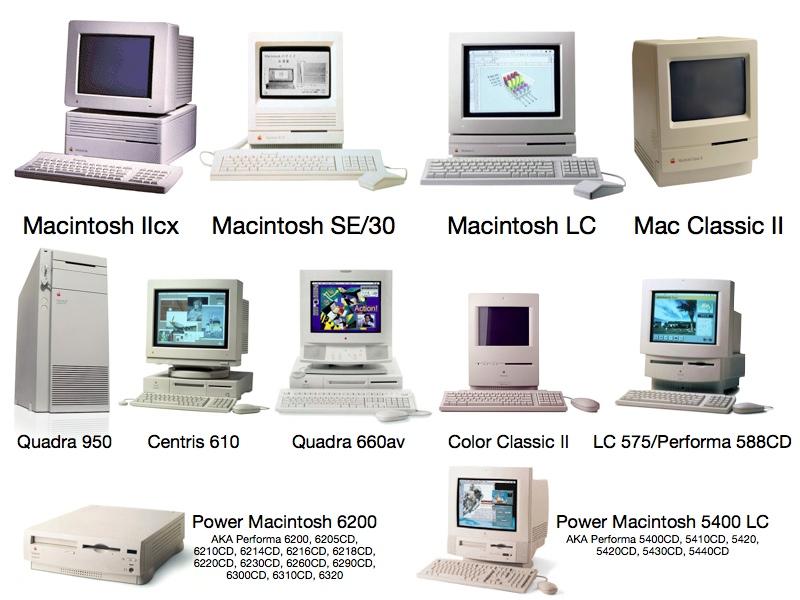
After Jobs returned, Apple entered a golden period of creativity. Several iconic products helped the company grow rapidly and reshape multiple industries.
| Product | Launch Year | Impact |
|---|---|---|
| iMac | 1998 | Revived Apple with bold design and user-friendly computers |
| iPod | 2001 | Changed how people listen to music |
| iPhone | 2007 | Revolutionized smartphones and mobile apps |
| iPad | 2010 | Created a new category of tablet devices |
The iPhone became the most influential product in Apple’s history. It combined a phone, music player, and internet device into one touchscreen gadget.
Smartphones soon became essential tools for communication, entertainment, and work.
Apple’s Growth Under Tim Cook
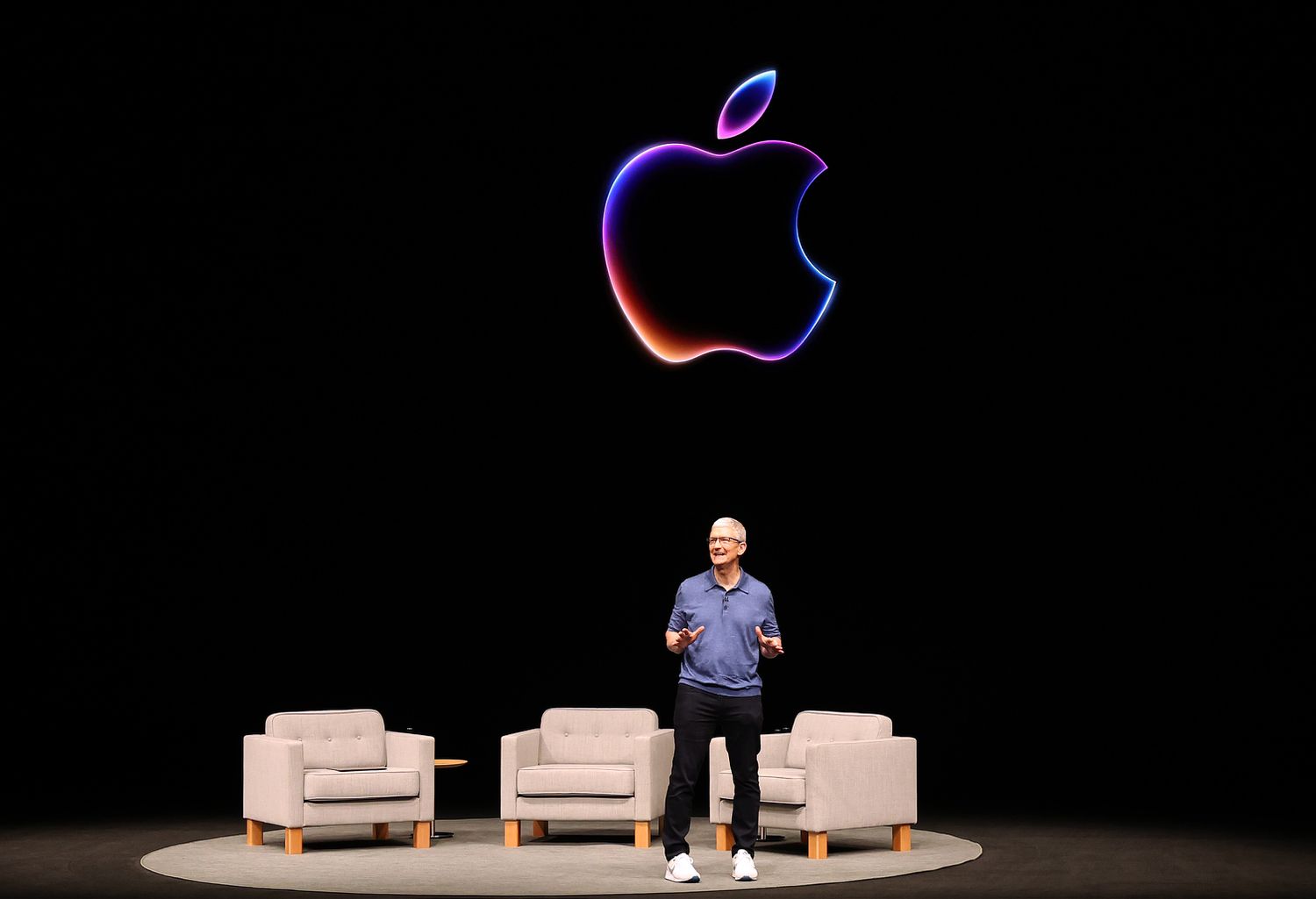
After Steve Jobs passed away in 2011, Tim Cook became Apple’s CEO. Many people wondered if Apple could continue its success without its visionary founder.
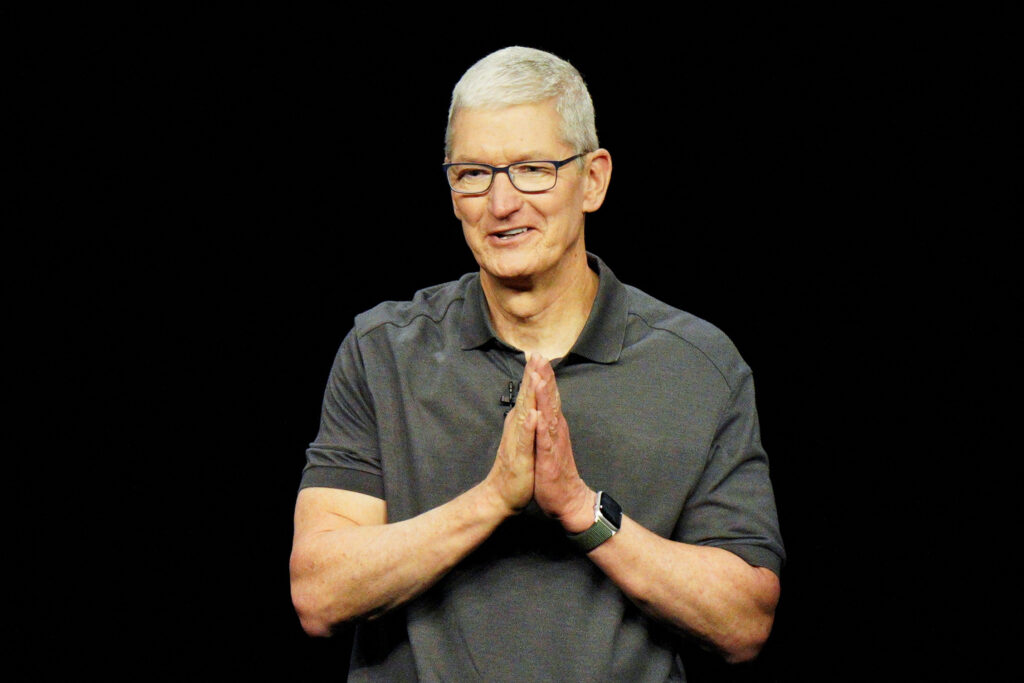
Cook expanded the company’s strategy by focusing on services and sustainability. Platforms such as Apple Music, Apple TV, and Apple Pay now generate more than $100 billion every year.
Under his leadership, Apple has grown even larger while maintaining its reputation for quality products.
The Future of Apple
Even after 50 years, Apple continues to face new challenges. Competition is stronger, supply chains are complex, and technology is evolving rapidly with artificial intelligence.
However, Apple’s core philosophy remains the same: build products that combine innovation, design, and simplicity.
From a small partnership between two friends to a global technology empire, Apple’s journey shows how powerful ideas can shape the future. The first 50 years changed the world—and the next chapter may be even more exciting.